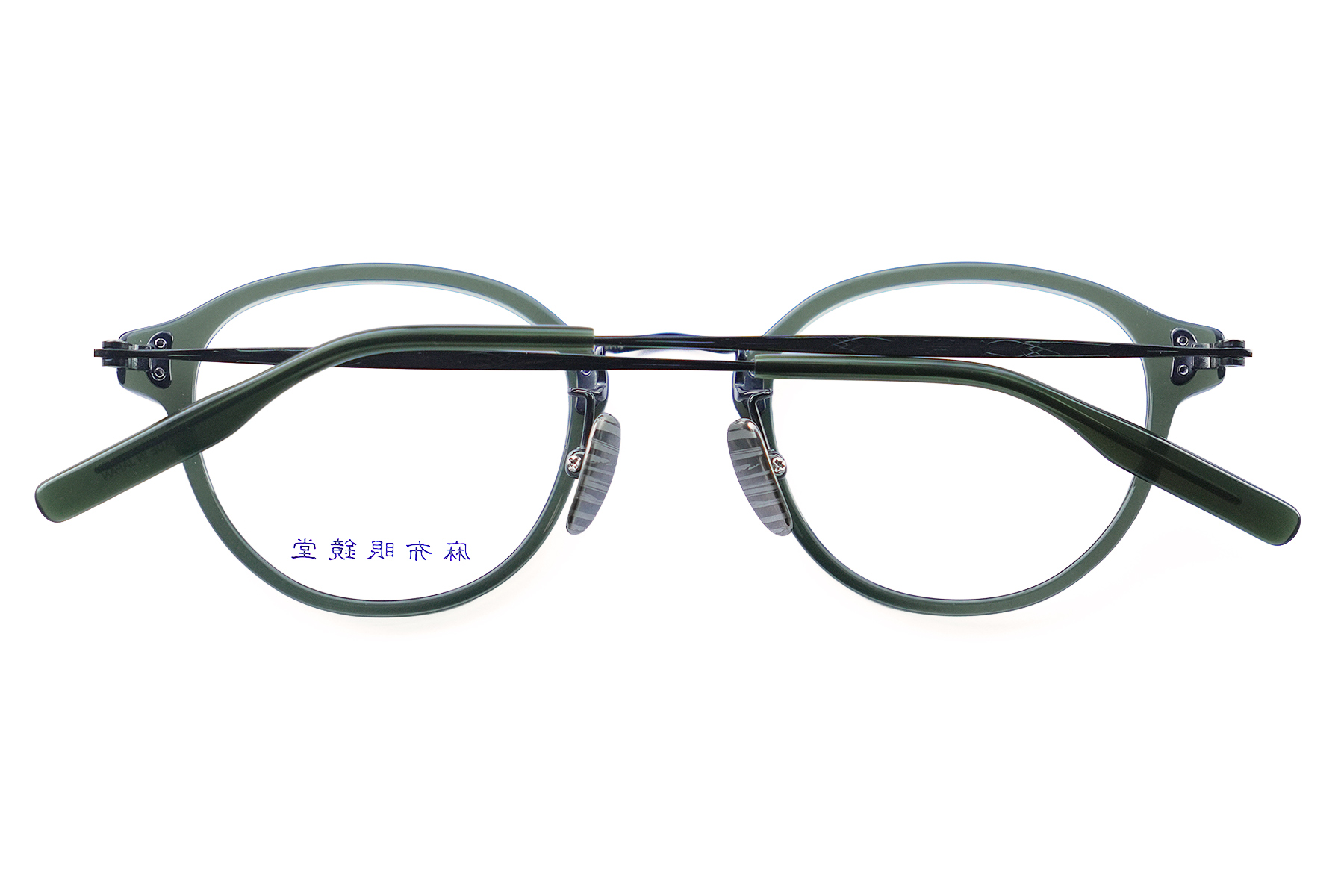
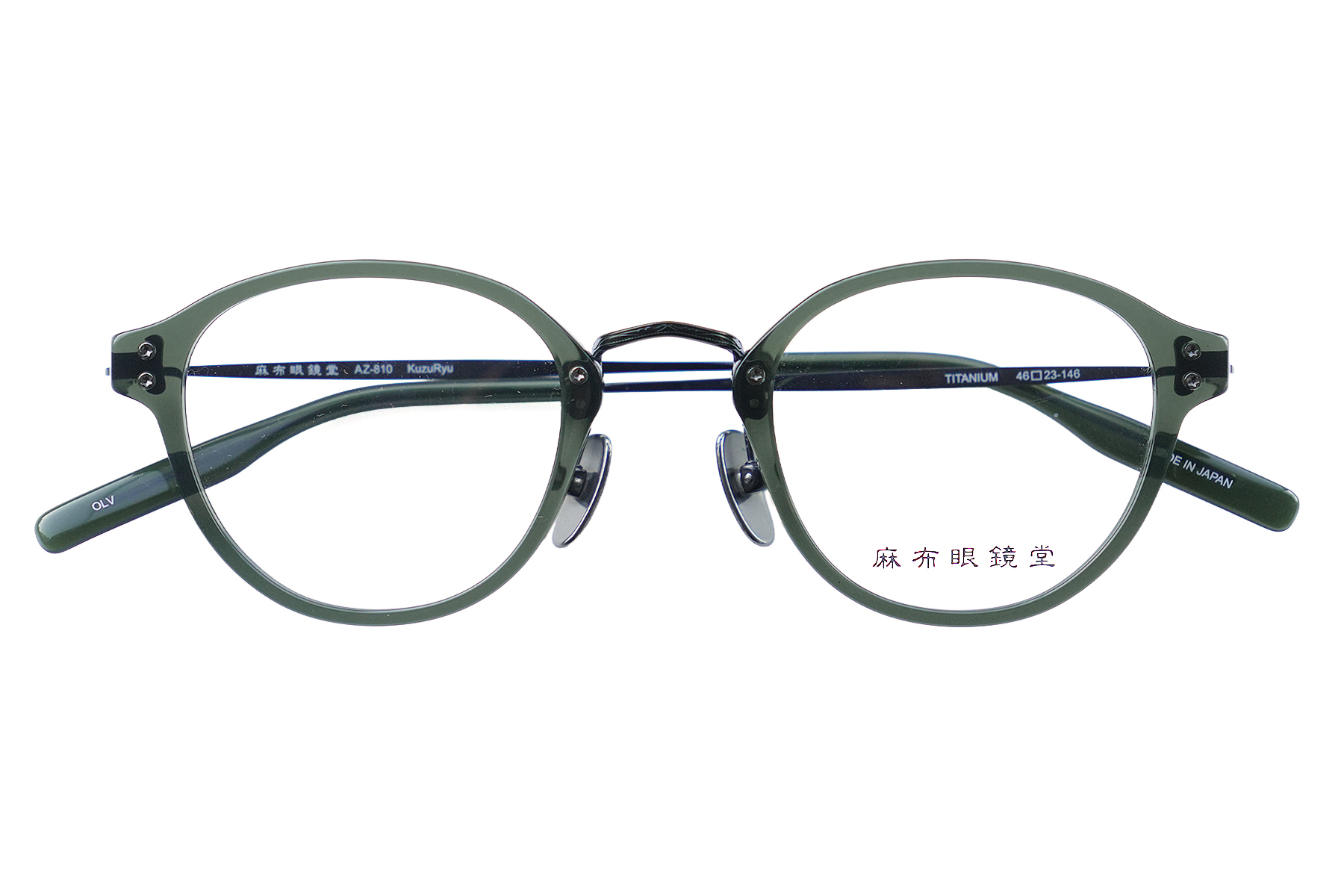
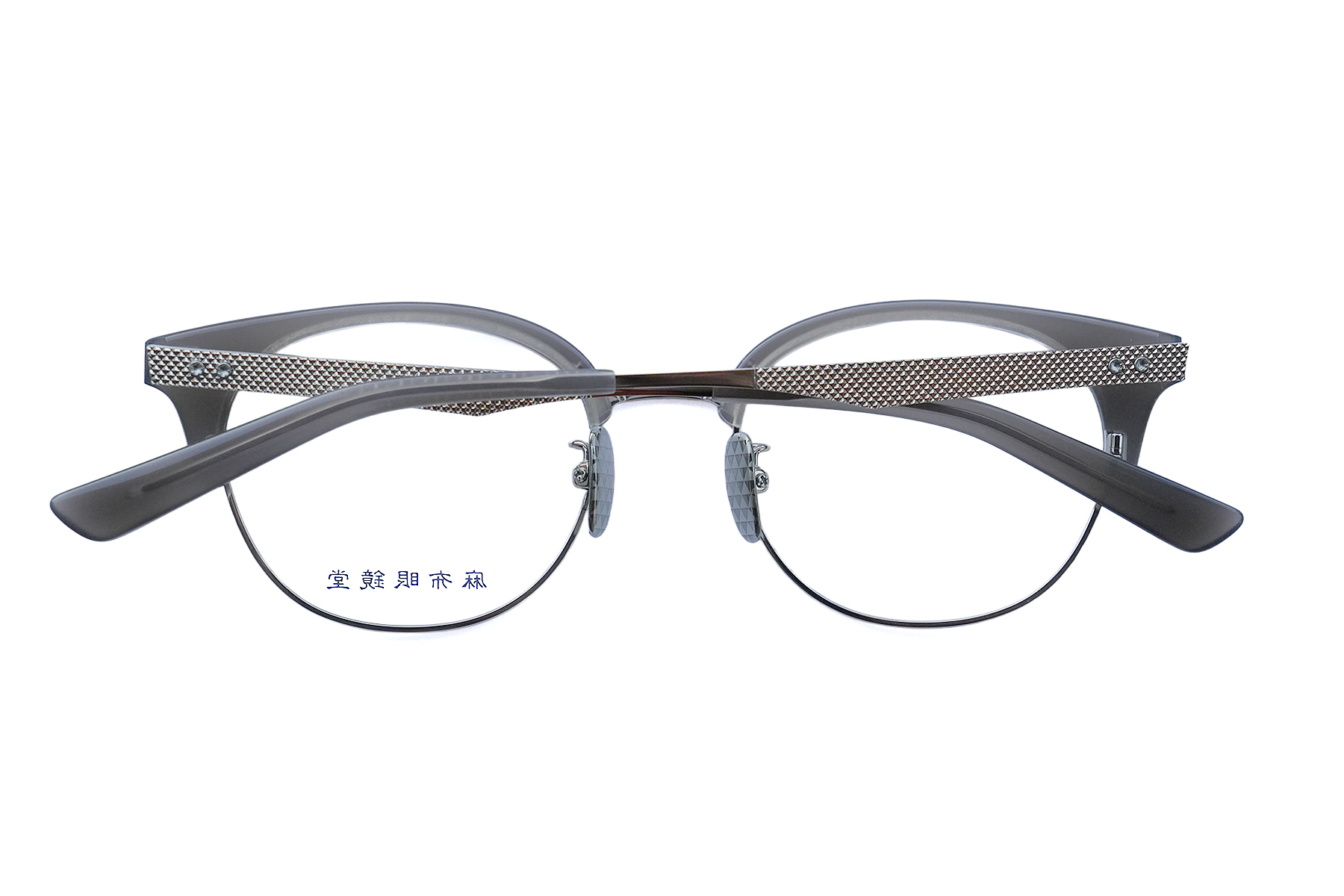
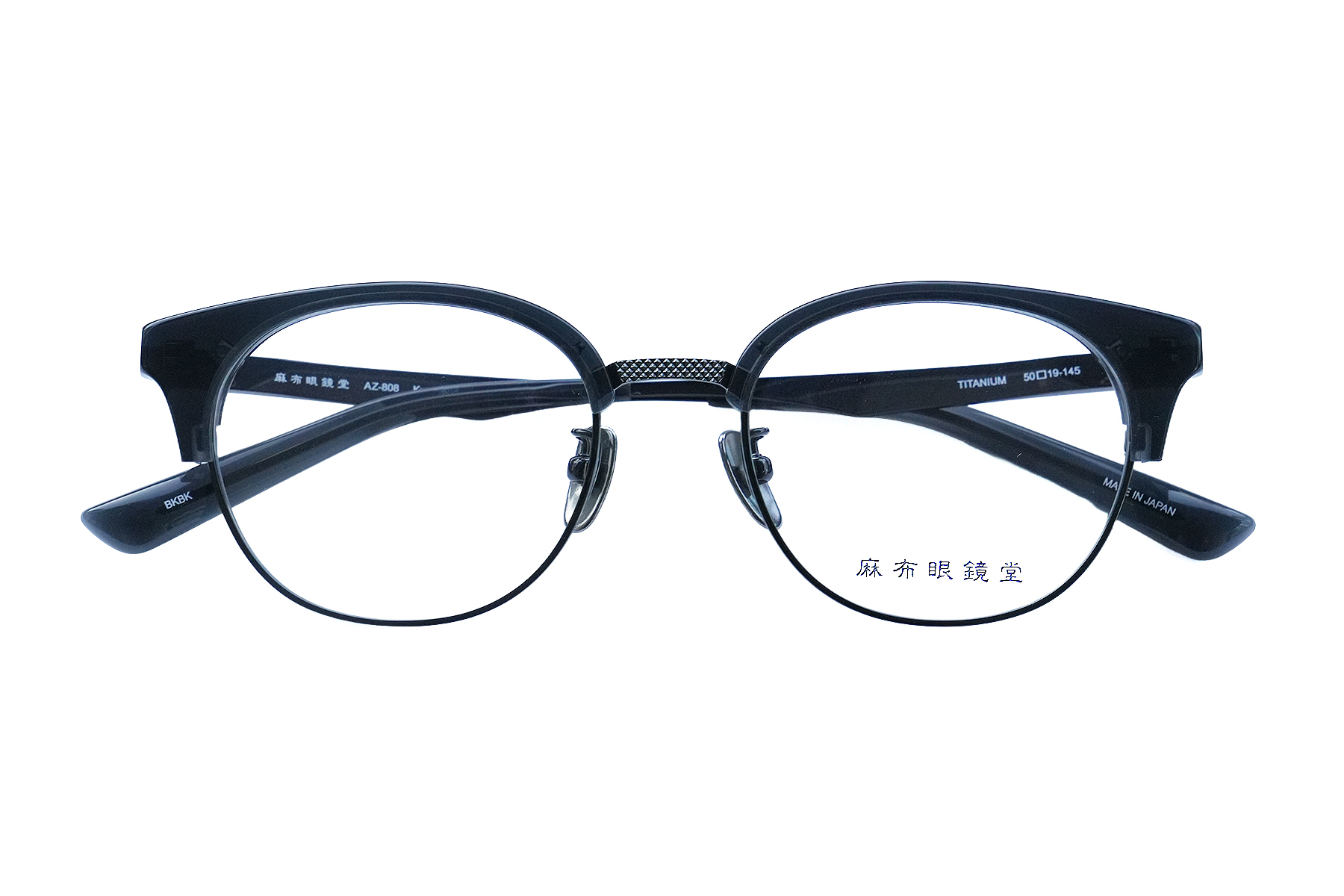
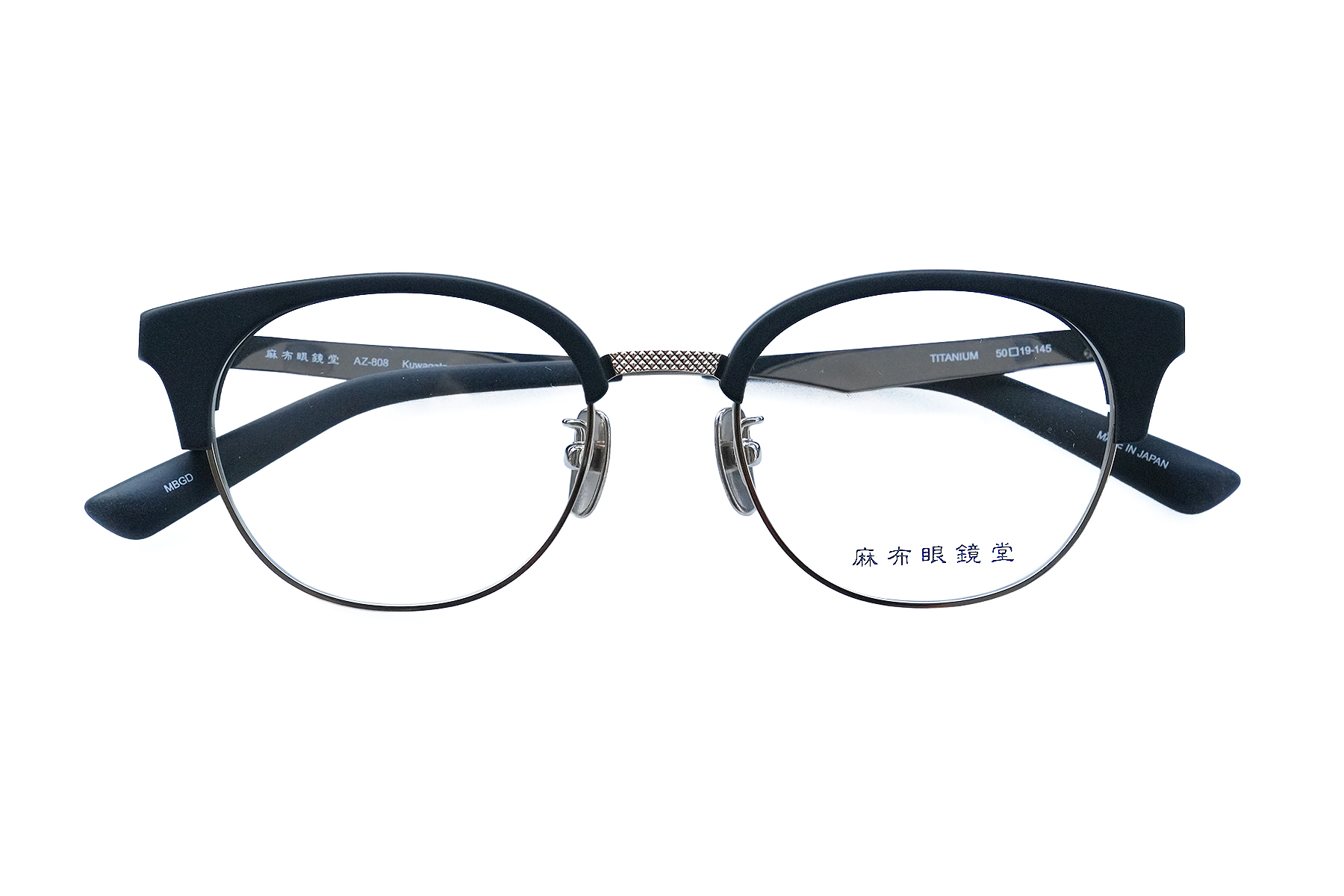
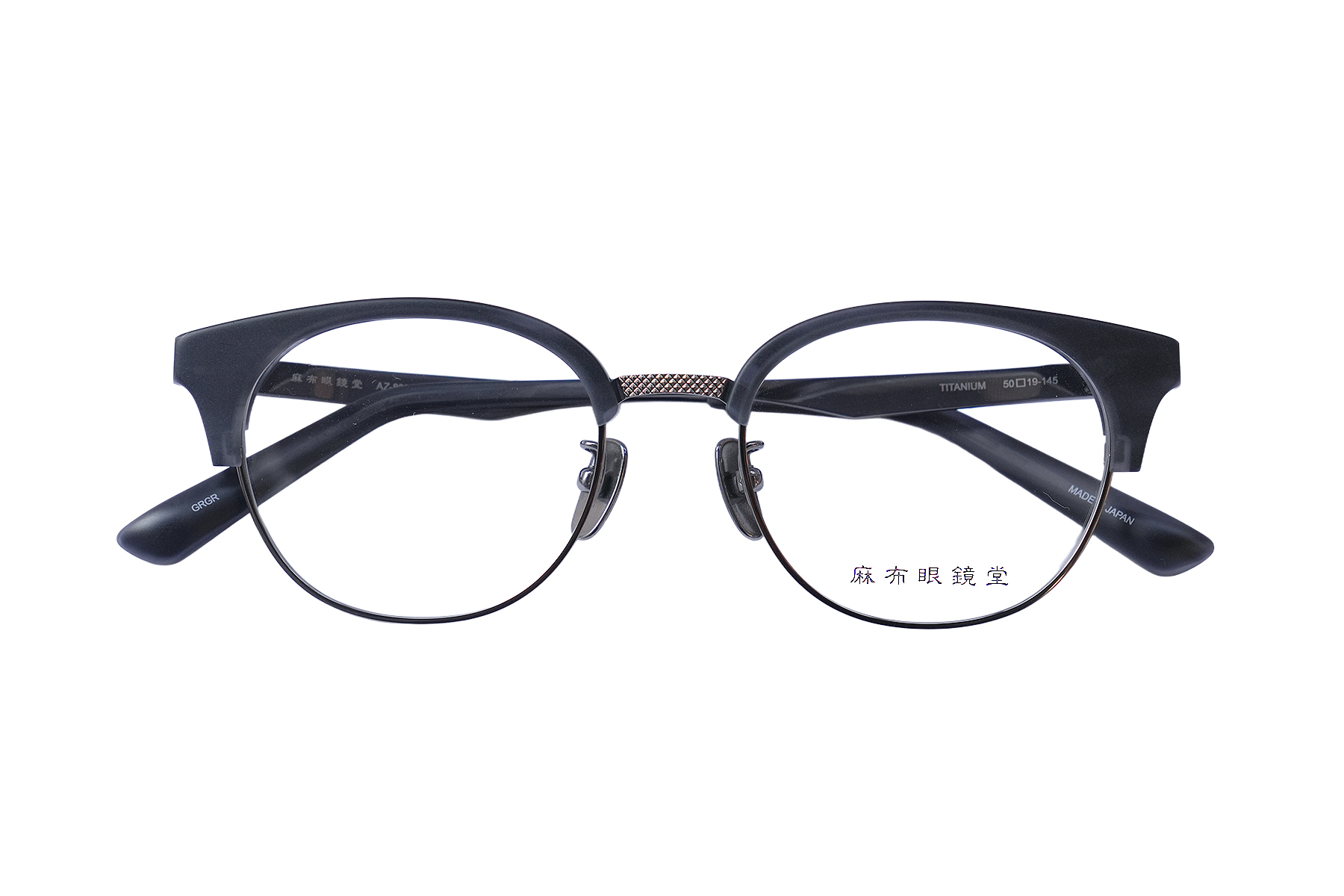
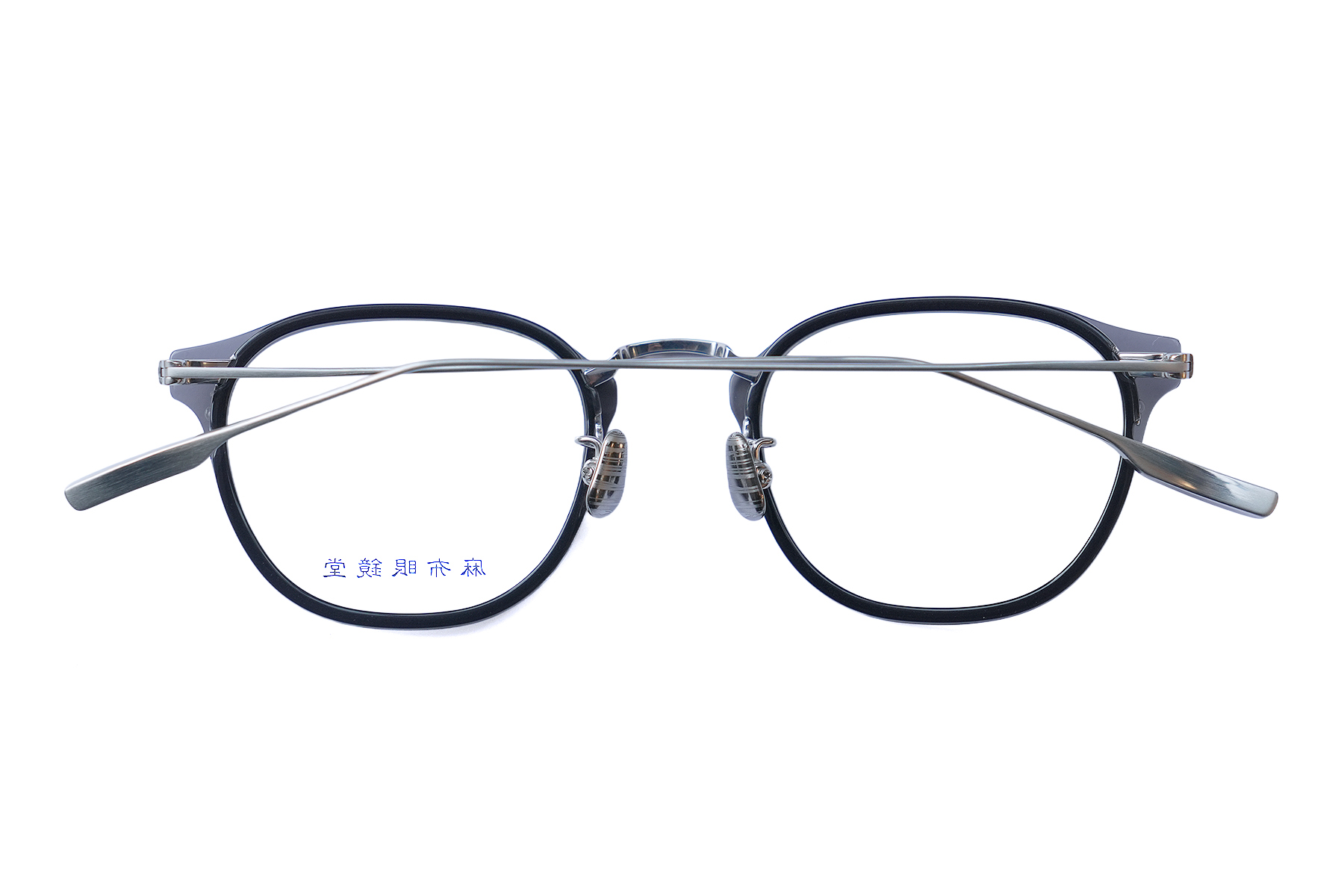
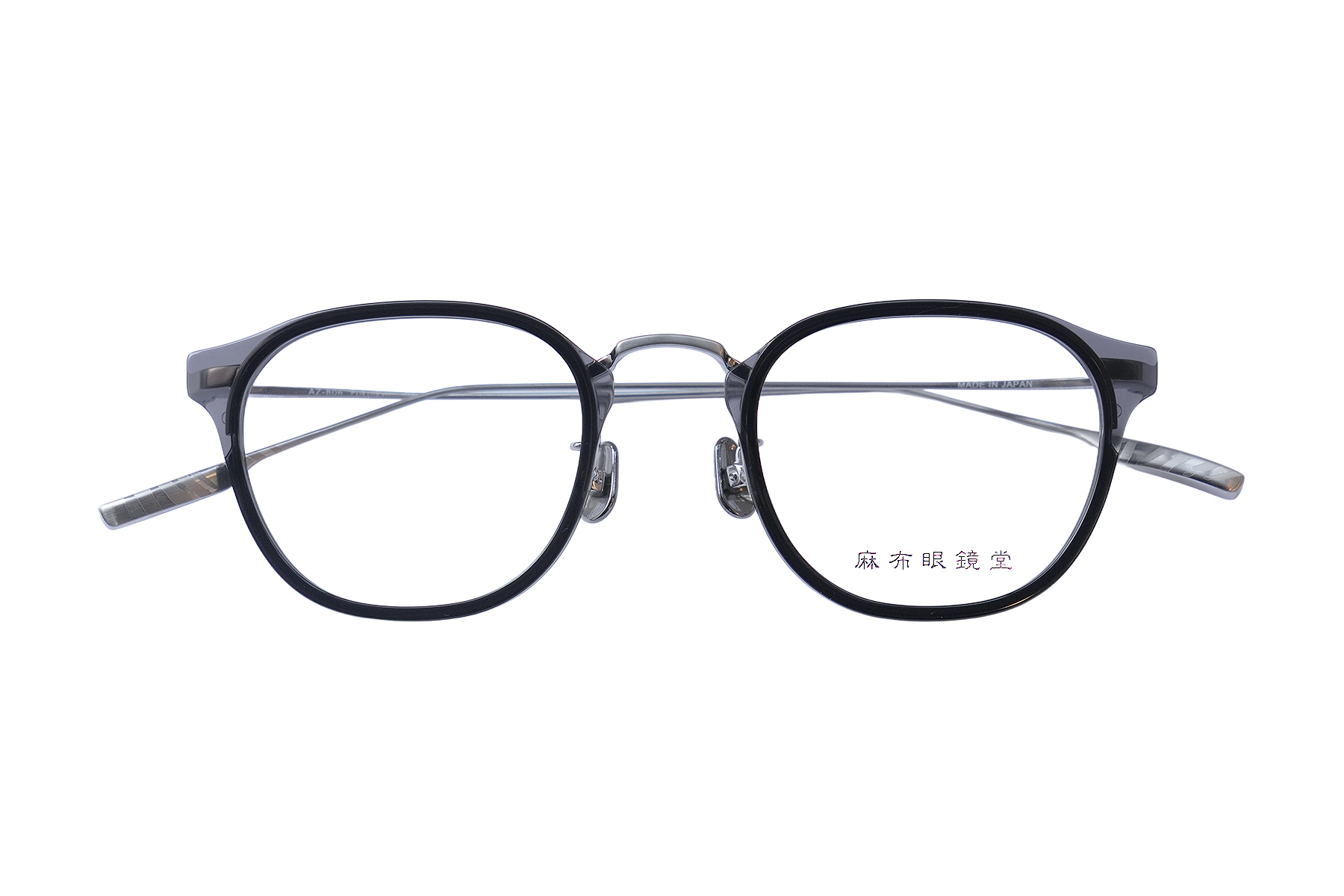
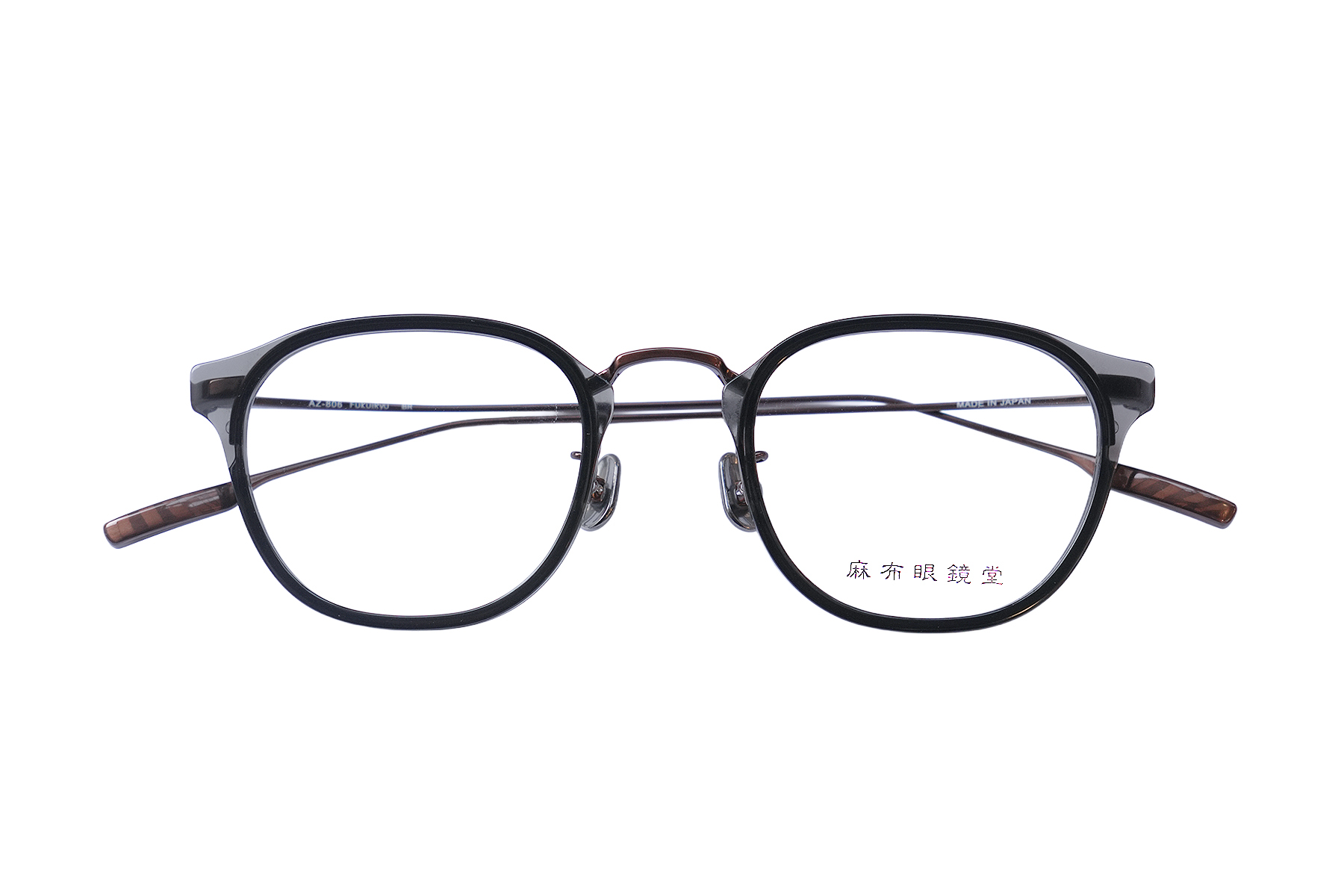
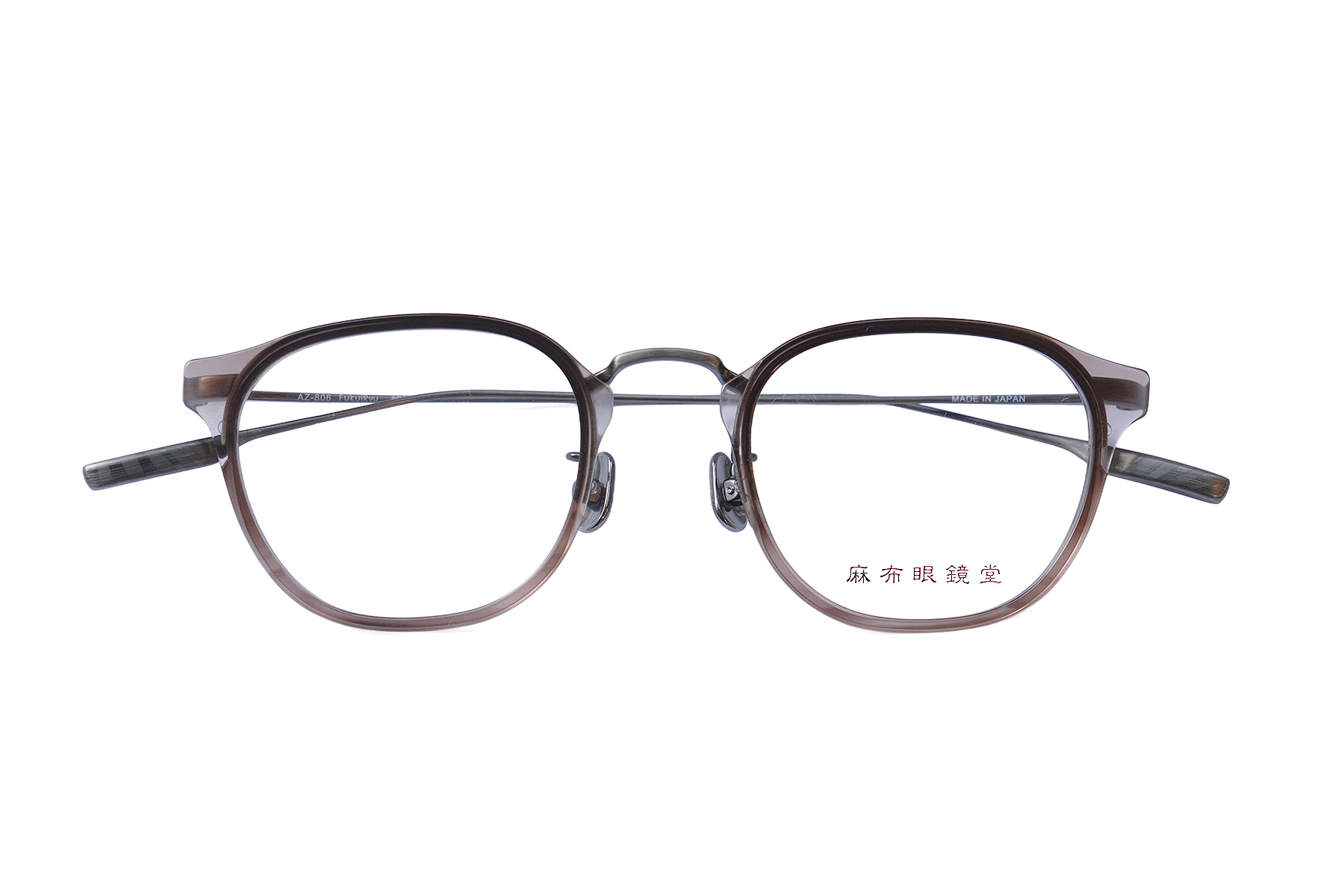
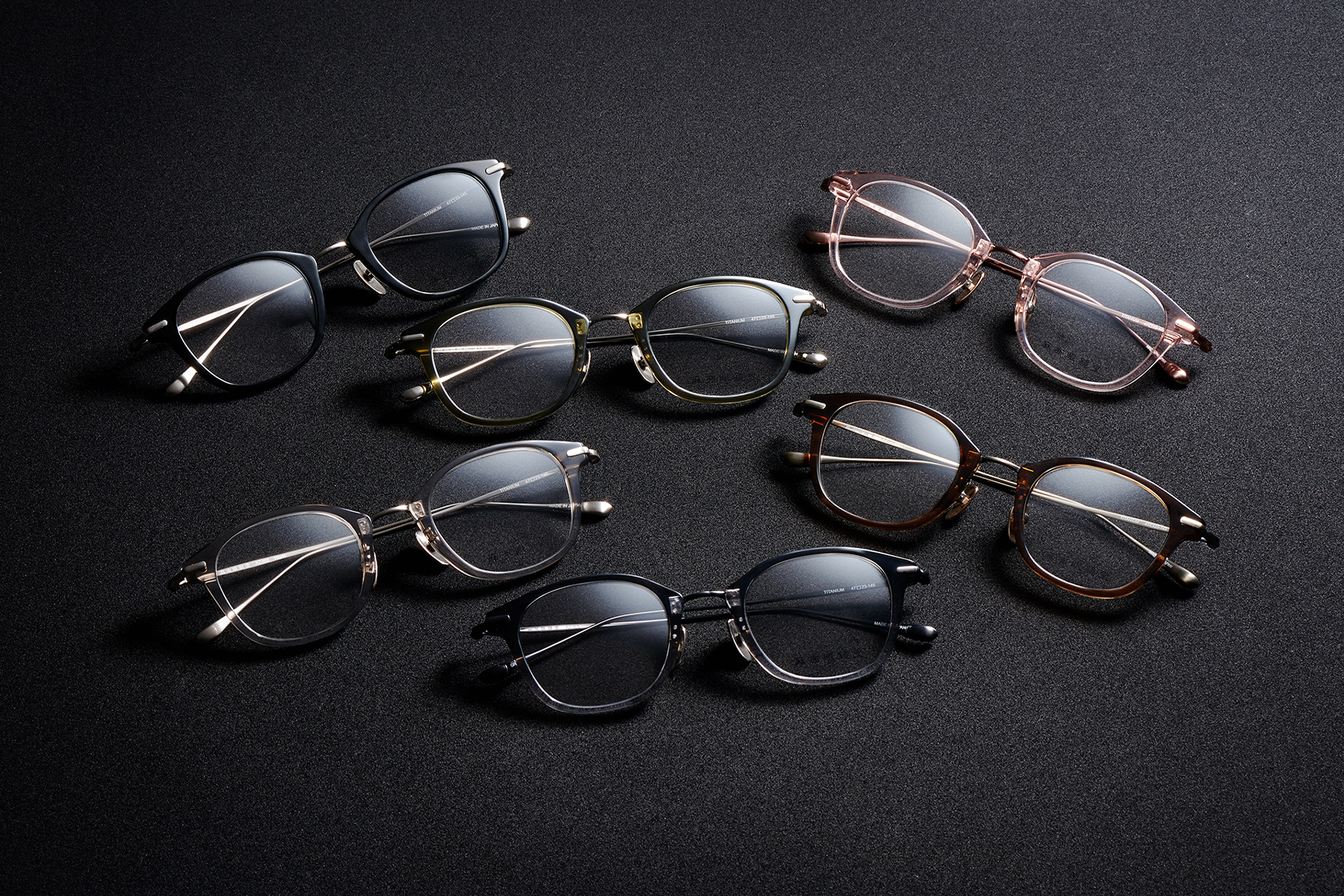
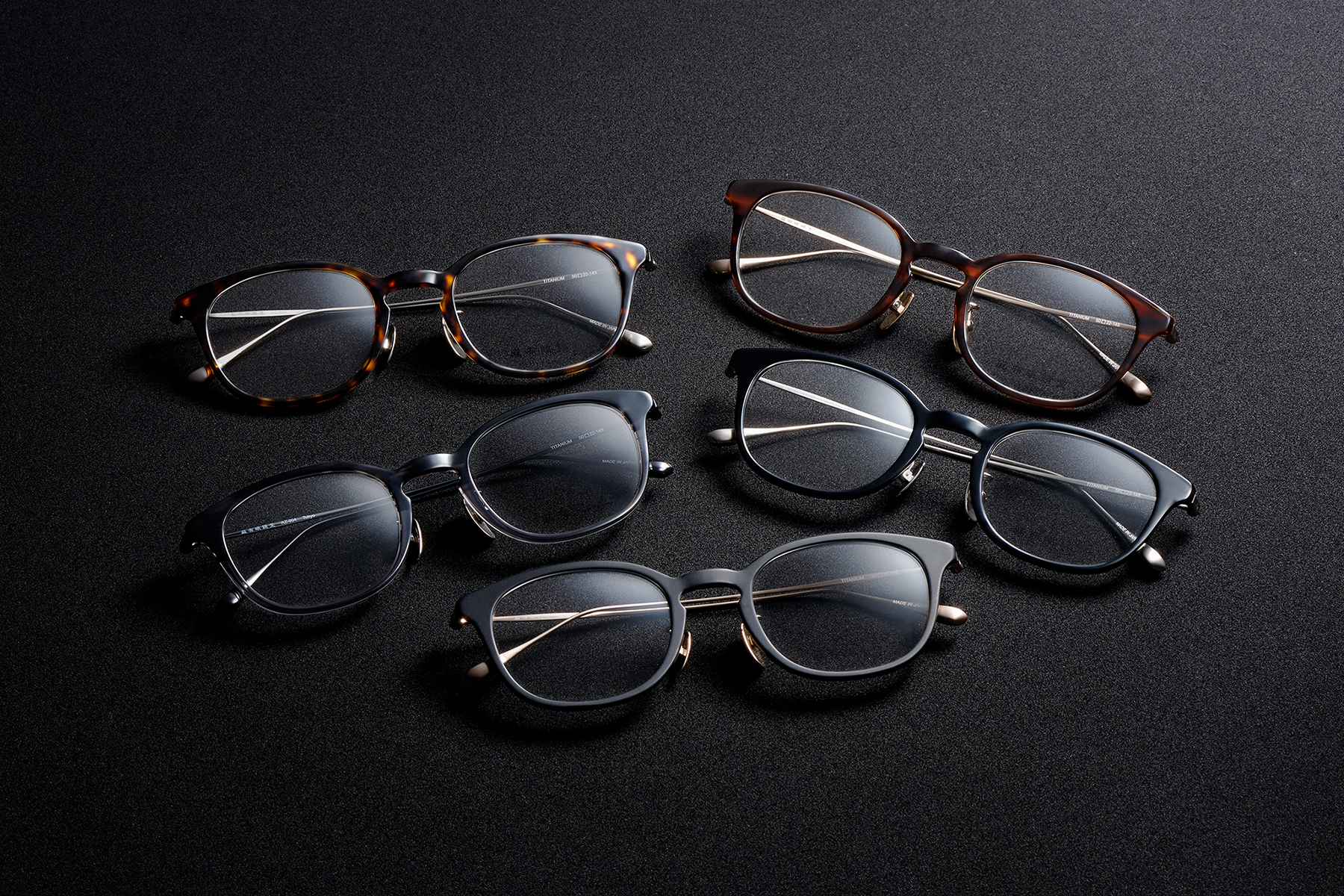
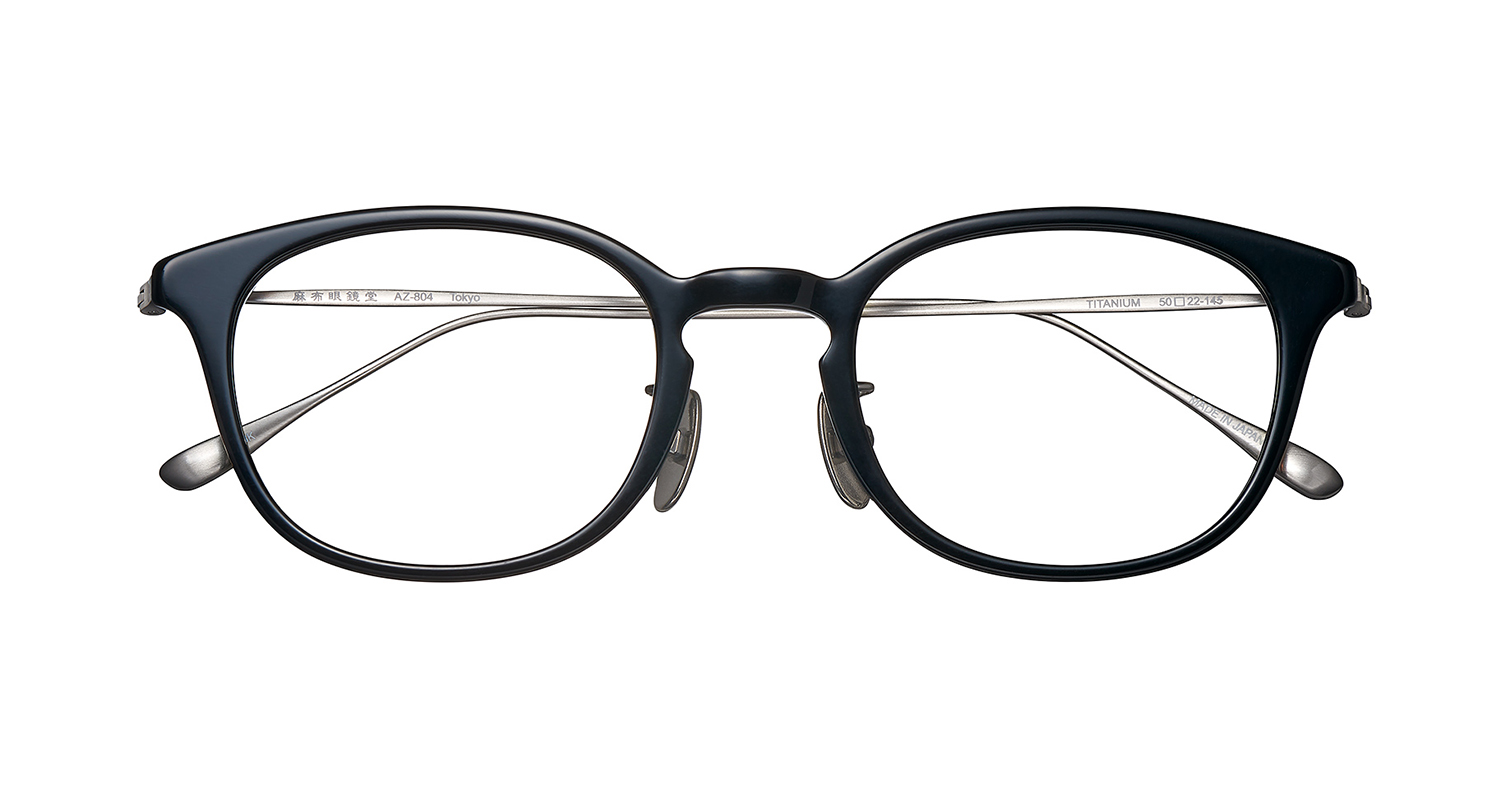
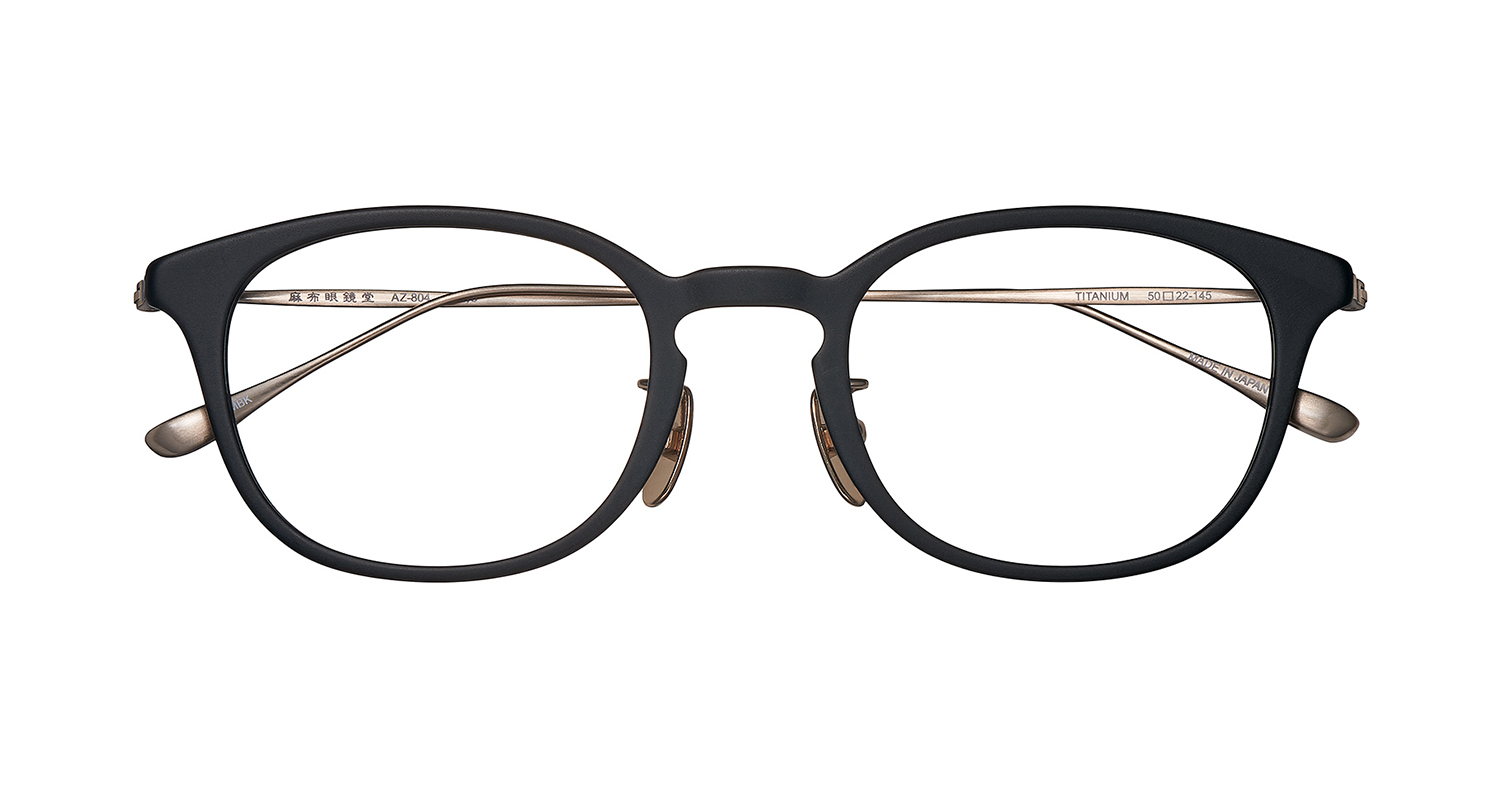
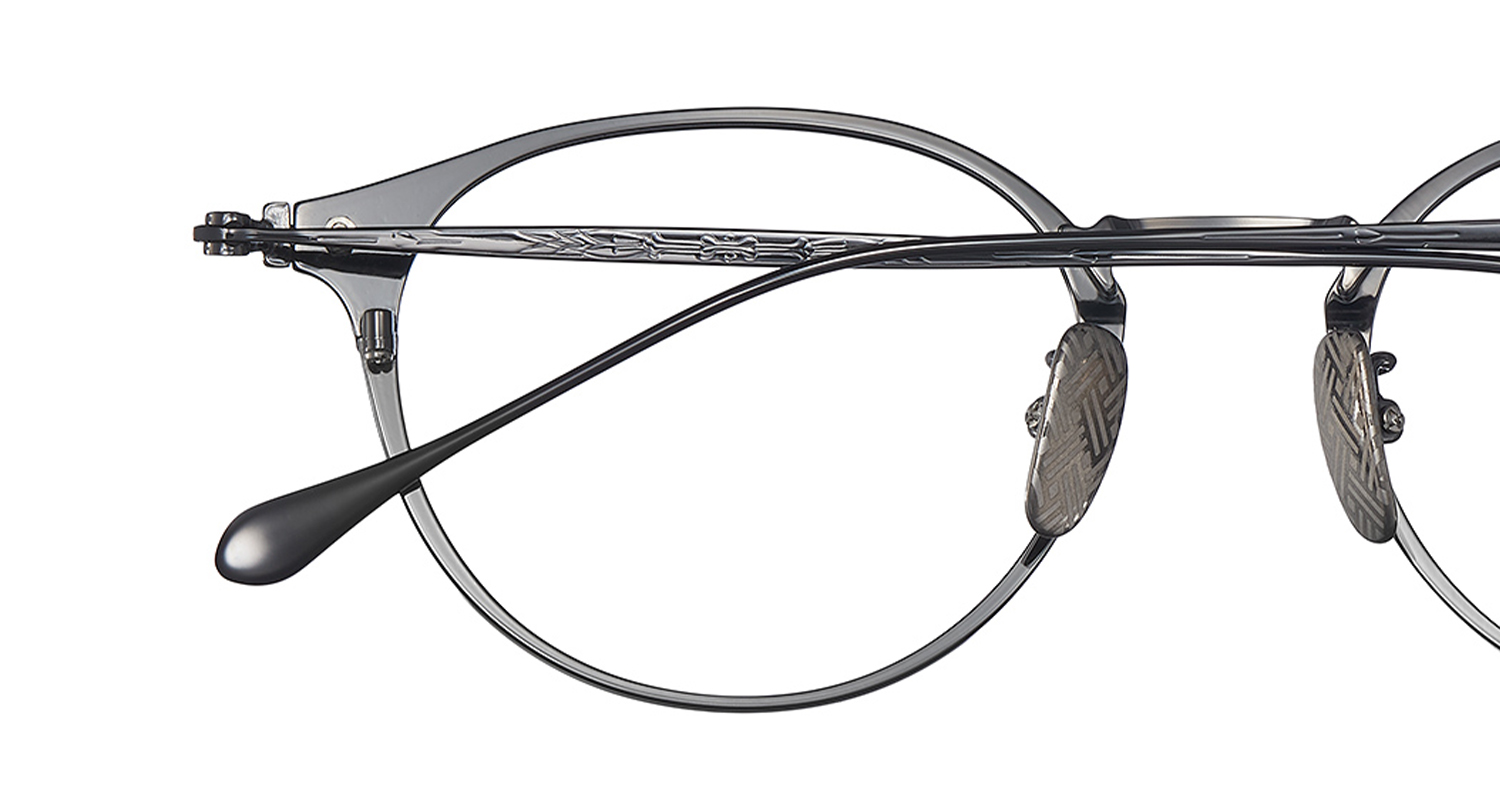
KuzuRyu draws inspiration from the Kuzuryu River of Fukui, a symbol of enduring flow and time. The classic Boston-shaped combination frame features distinctive screw details on the front, creating a timeless appearance. Referencing the region’s ancient history, a subtle stratum pattern is incorporated into the nose pads, adding quiet narrative depth.
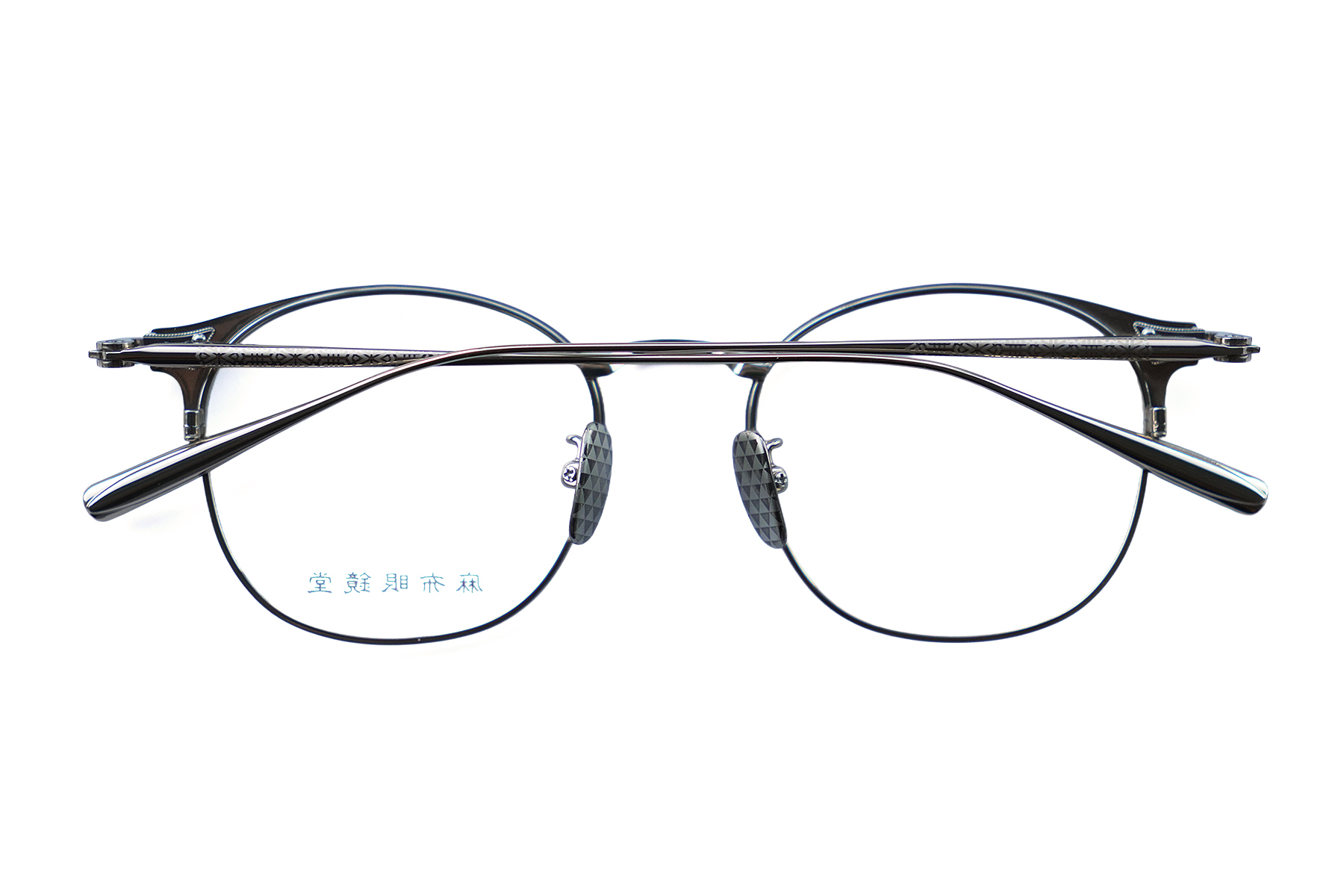
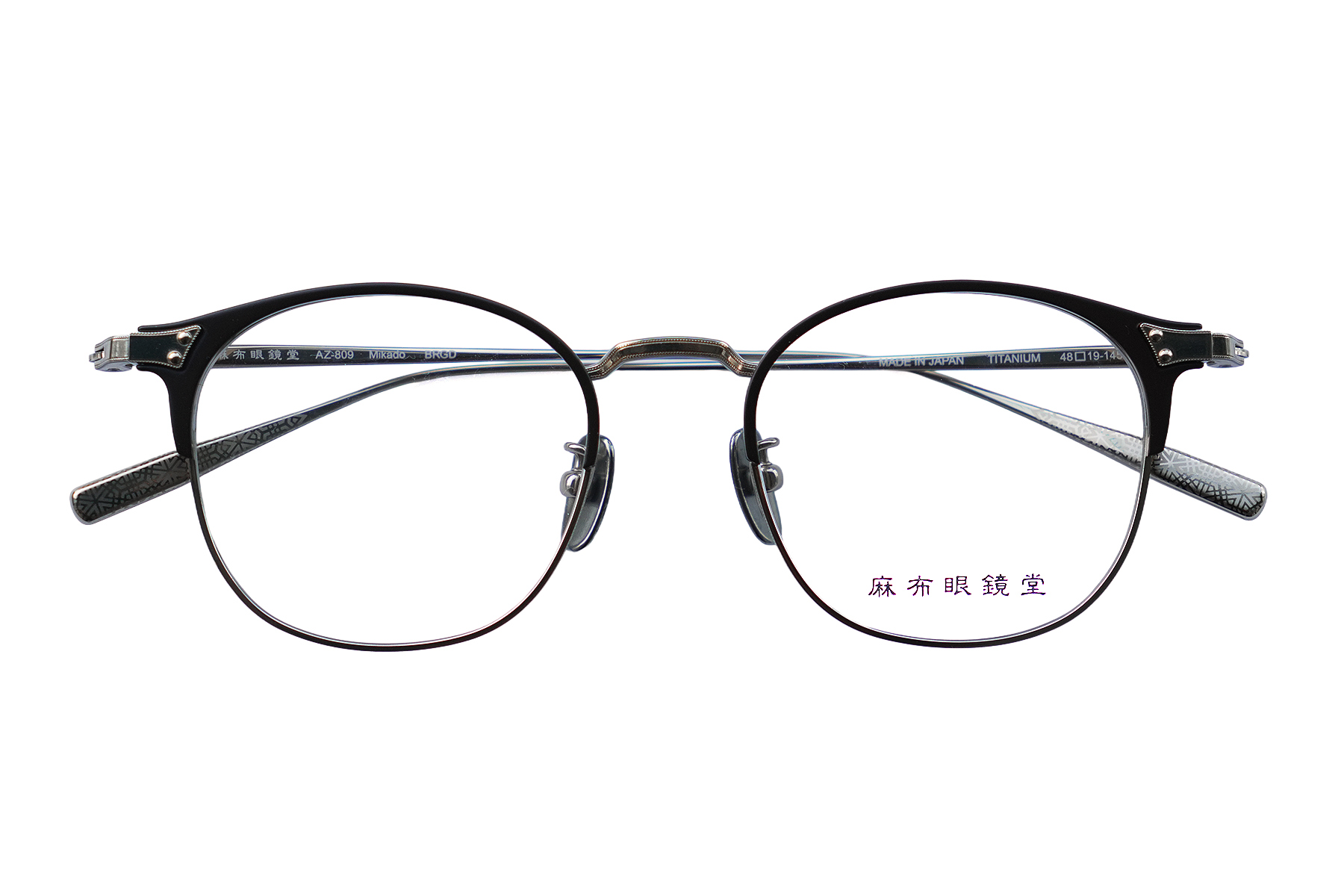
Inspired by Kumiko, a traditional Japanese woodworking technique, Mikado expresses strength through structure and balance. The triangular Mikado-tsunagi pattern, long associated with stability, is subtly detailed on the temples. A refined Boston-style rim is complemented by precisely crafted end pieces and bridge, while a hand-finished titanium brow adds depth and quiet elegance.
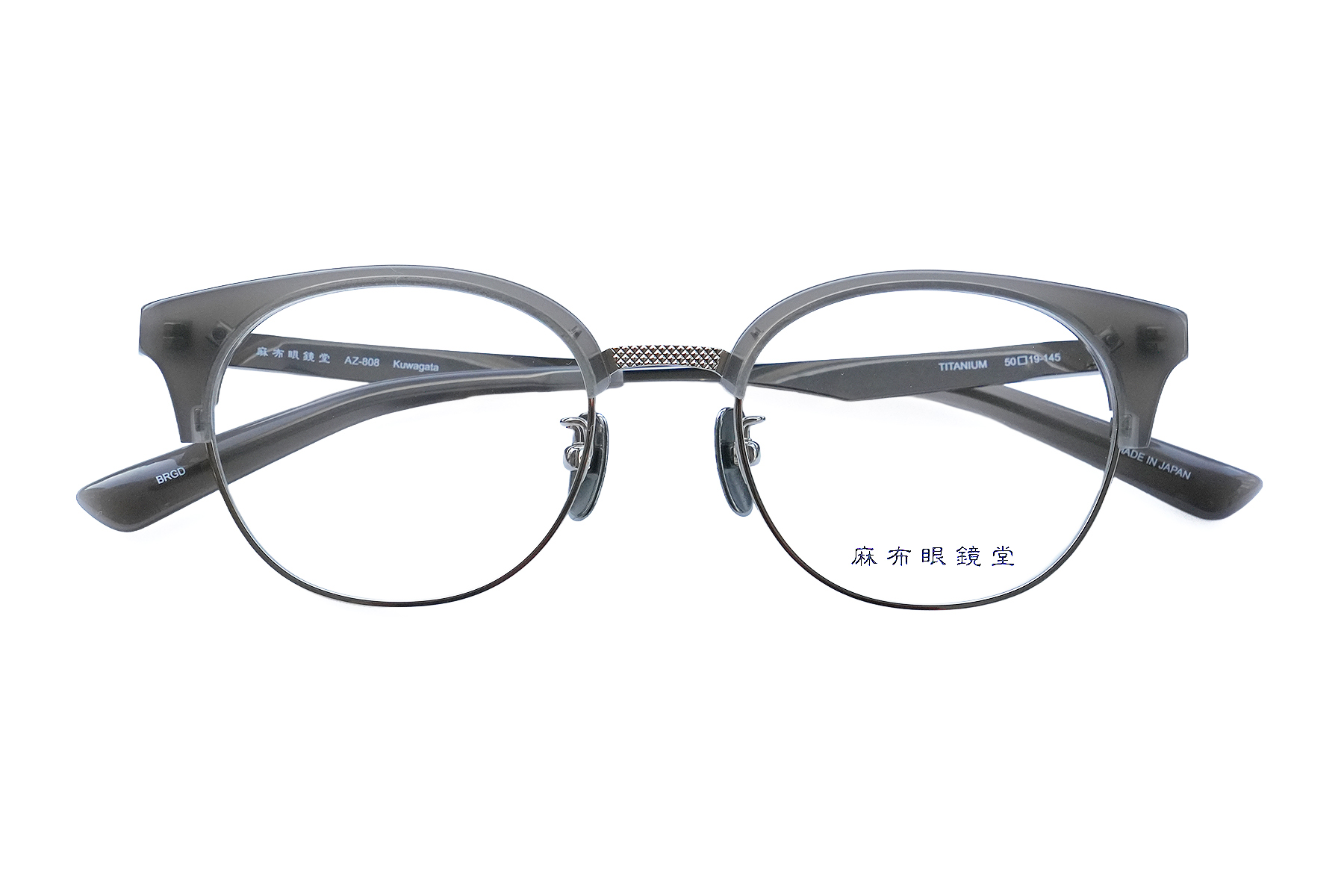
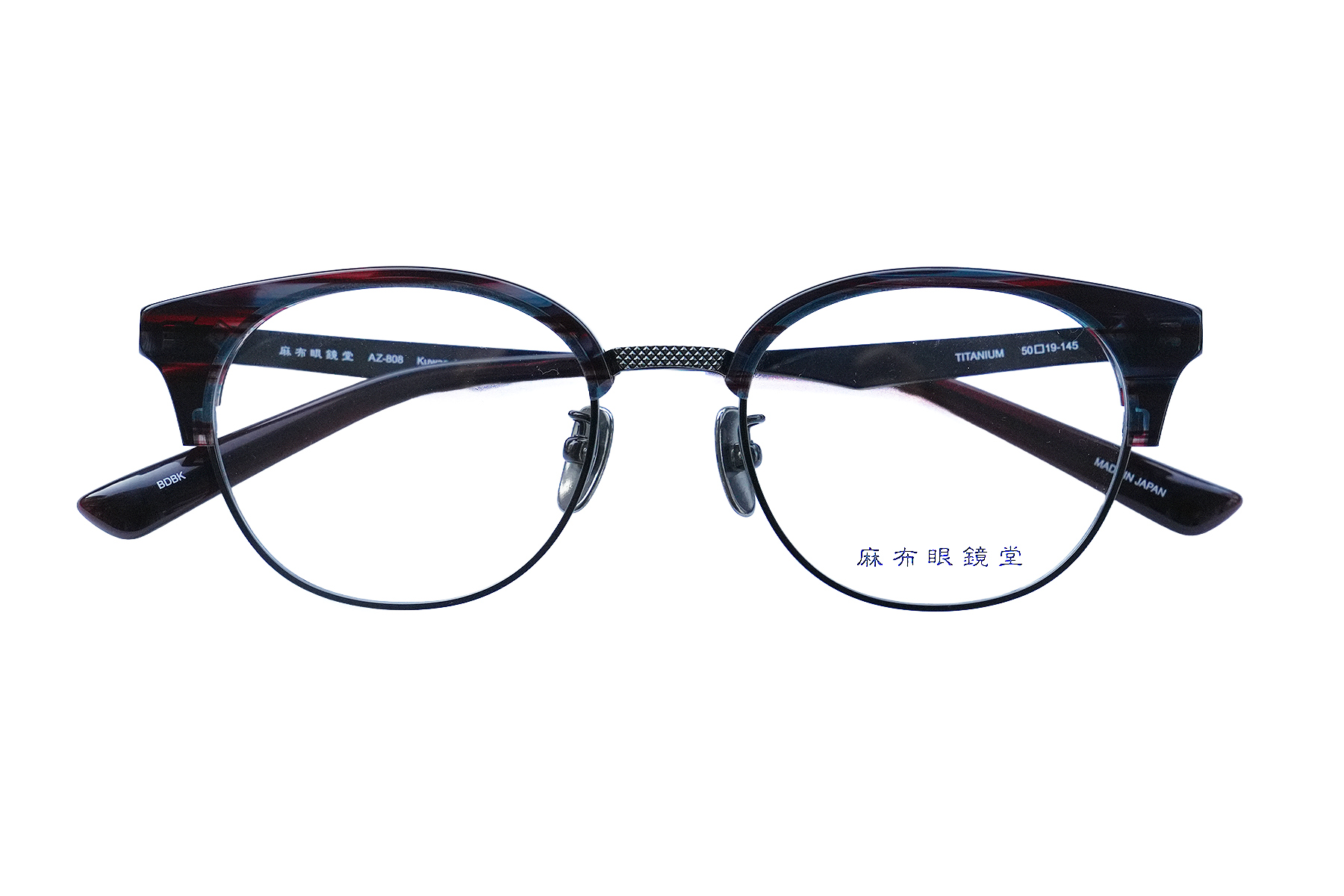
Inspired by the kuwagata, the decorative crest found on samurai helmets, this classic brow-type frame expresses strength and individuality. The Boston shape softens the bold brow line, giving the design a refined and intellectual look.
The temples are finished with a diamond-cut press technique, achieving fine, precise cuts with exceptional accuracy. A finely crafted frame that showcases the attention to detail unique to Japanese eyewear.
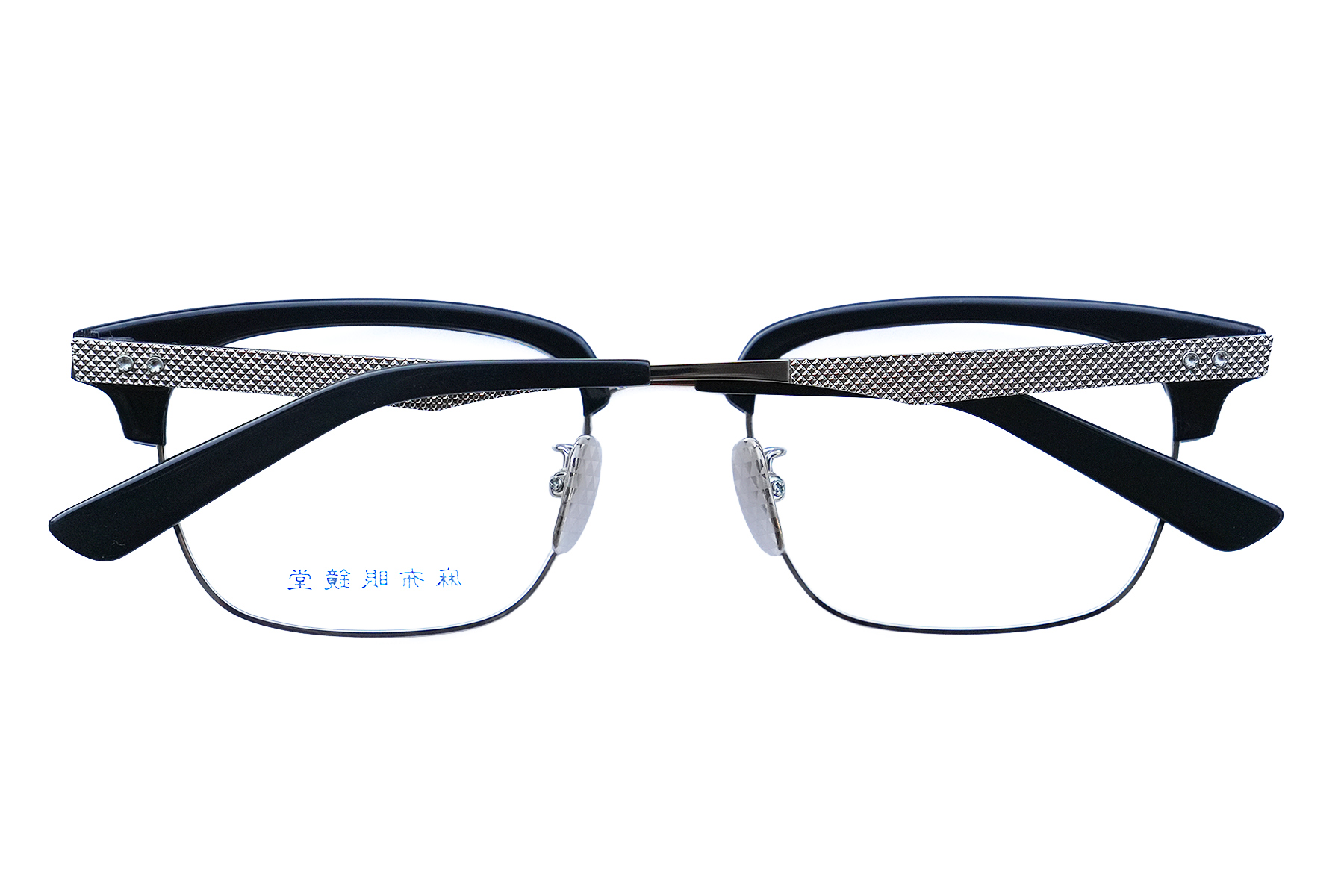
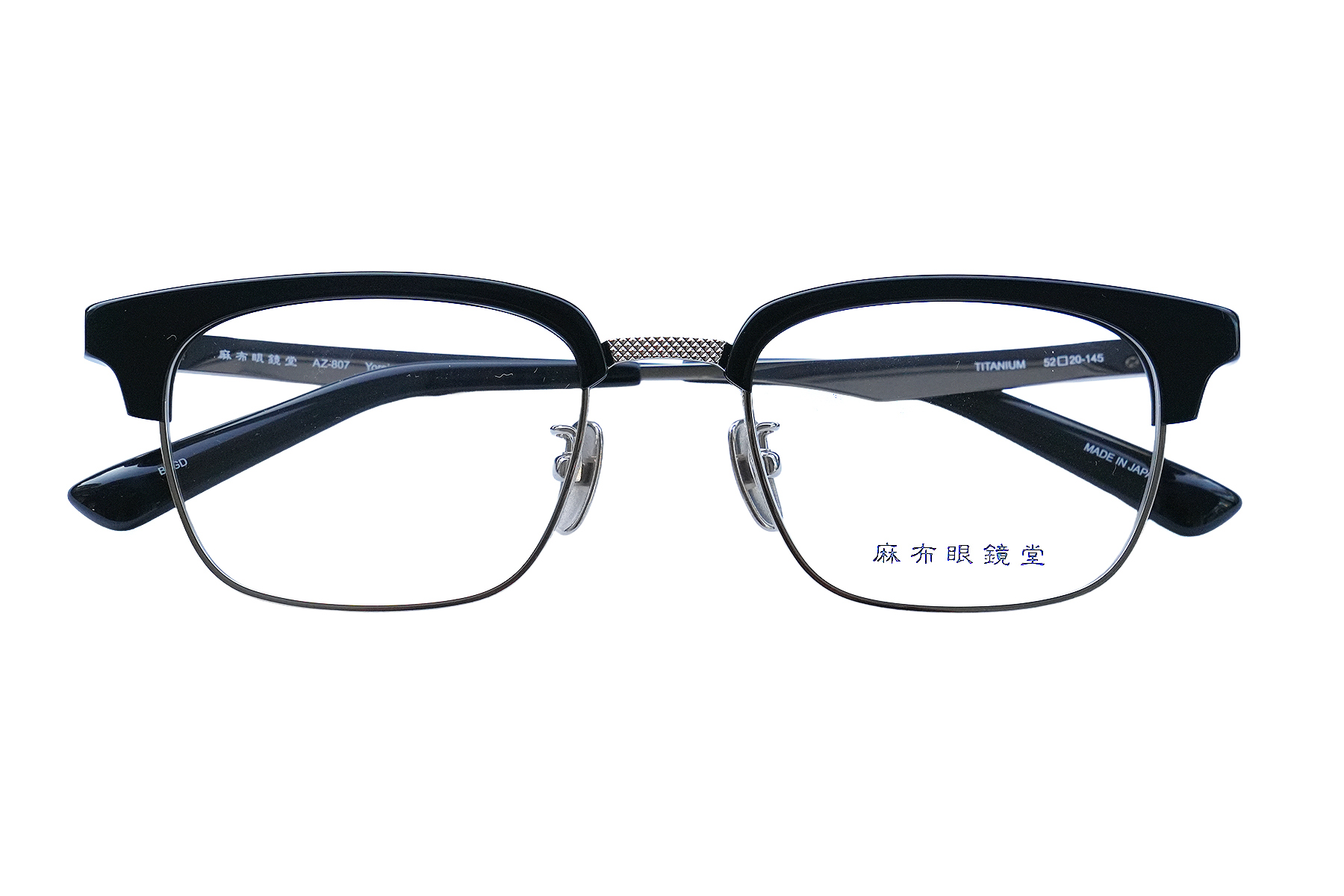
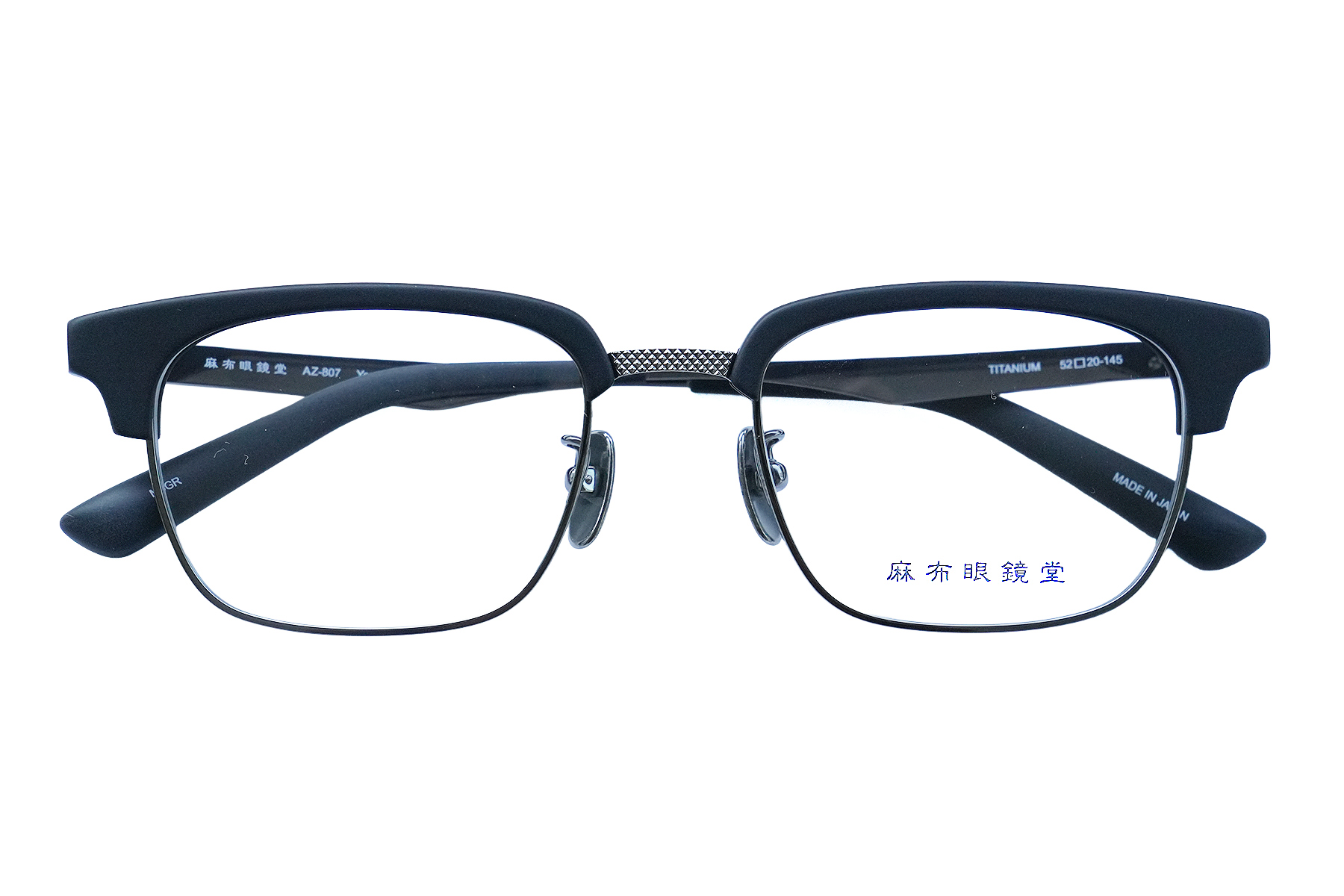
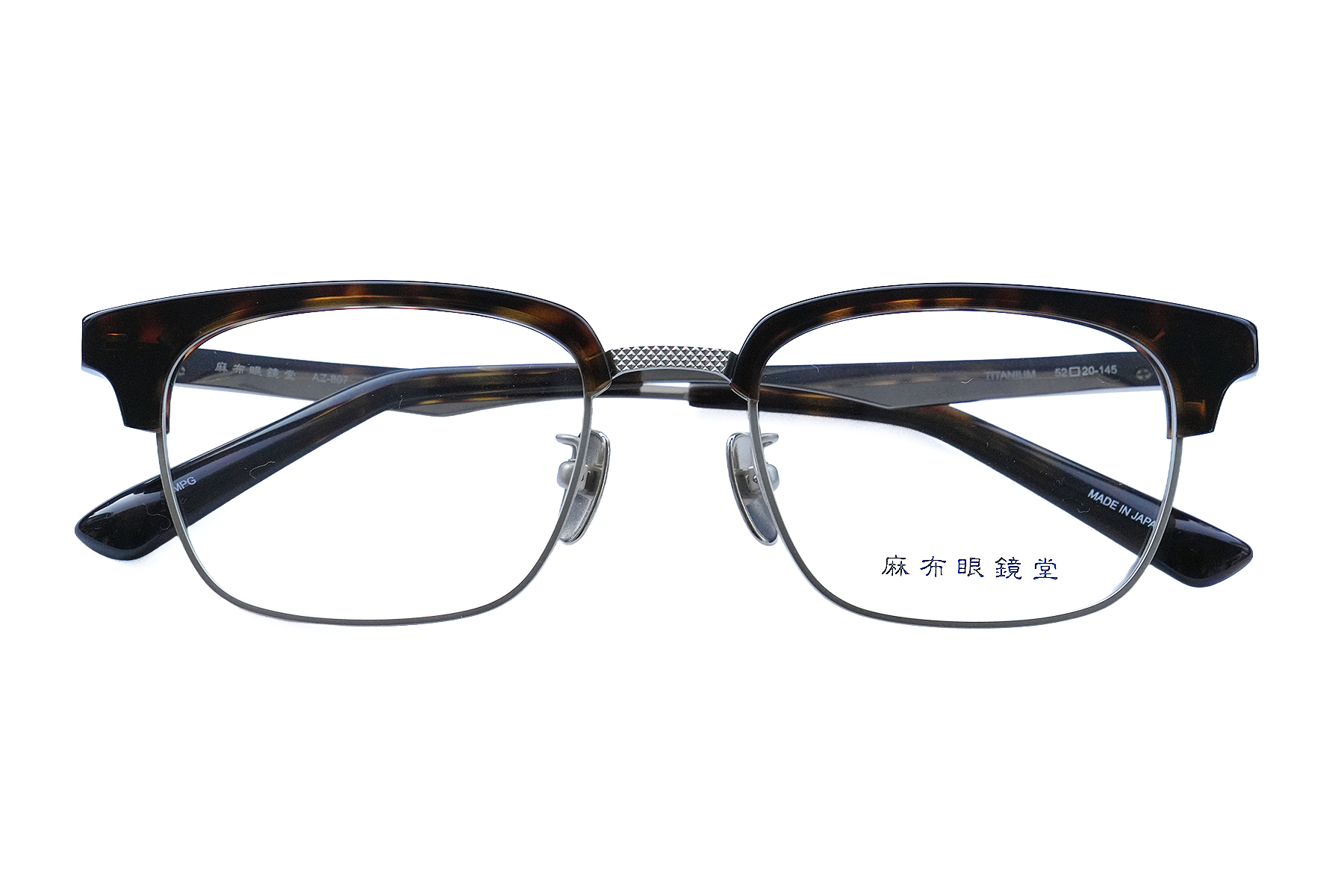
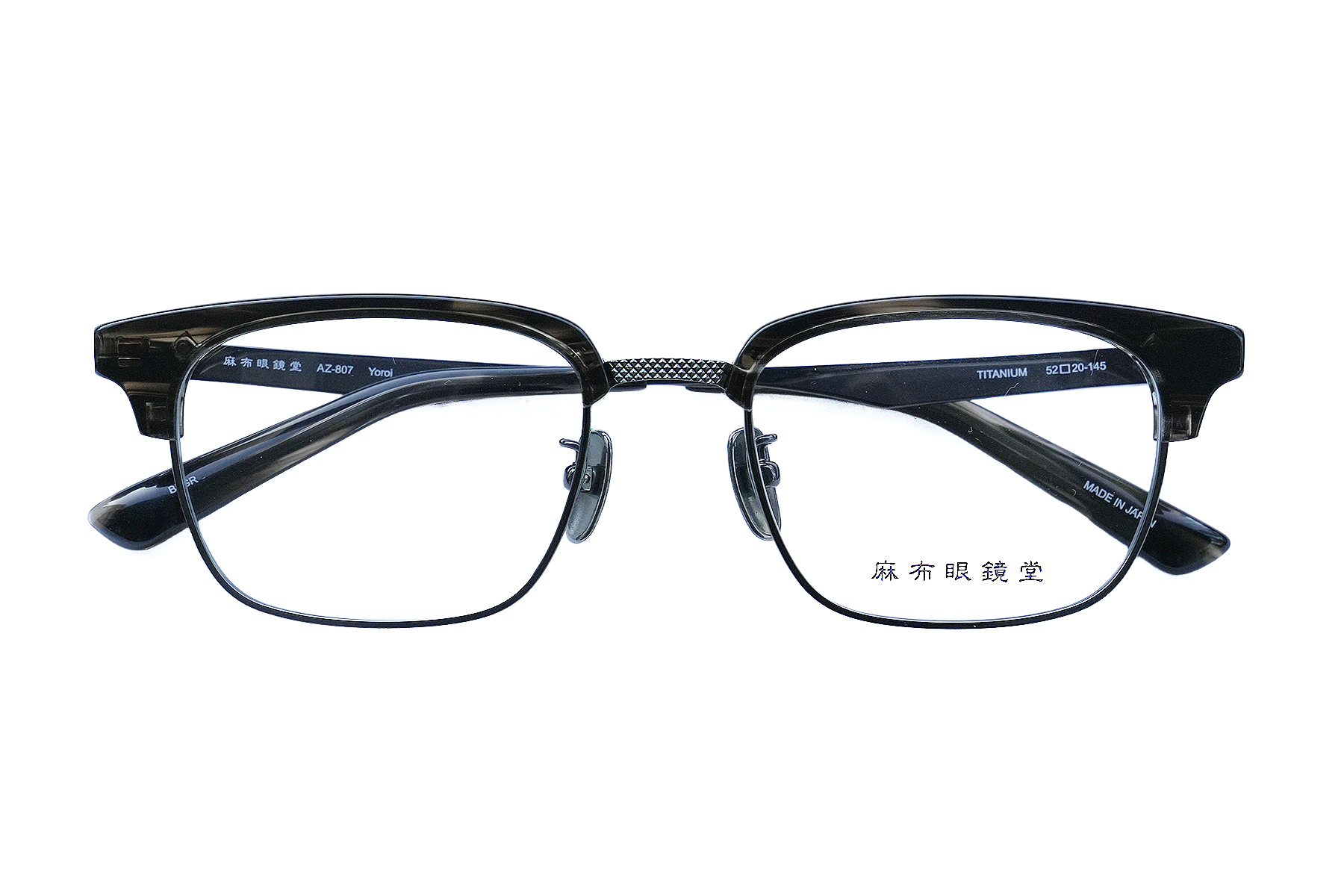
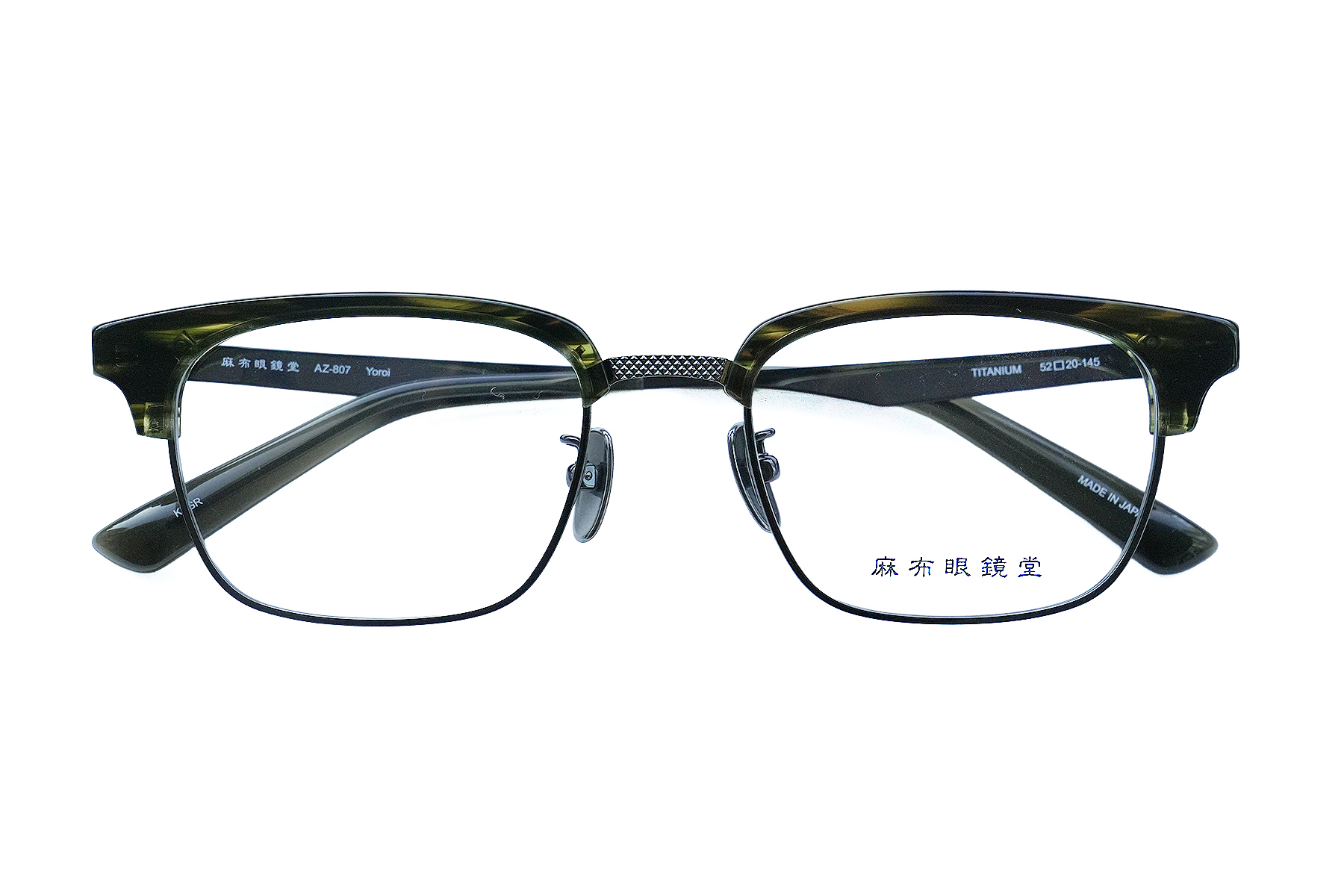
Inspired by traditional Japanese armor, this classic brow-type frame has a strong, confident presence. The Wellington shape adds structure and balance to its bold design.
The temples feature a diamond-cut press finish, one of the most precise metal pressing techniques, creating sharp details with micron-level accuracy. A frame that reflects the precision and craftsmanship of Japanese manufacturing.
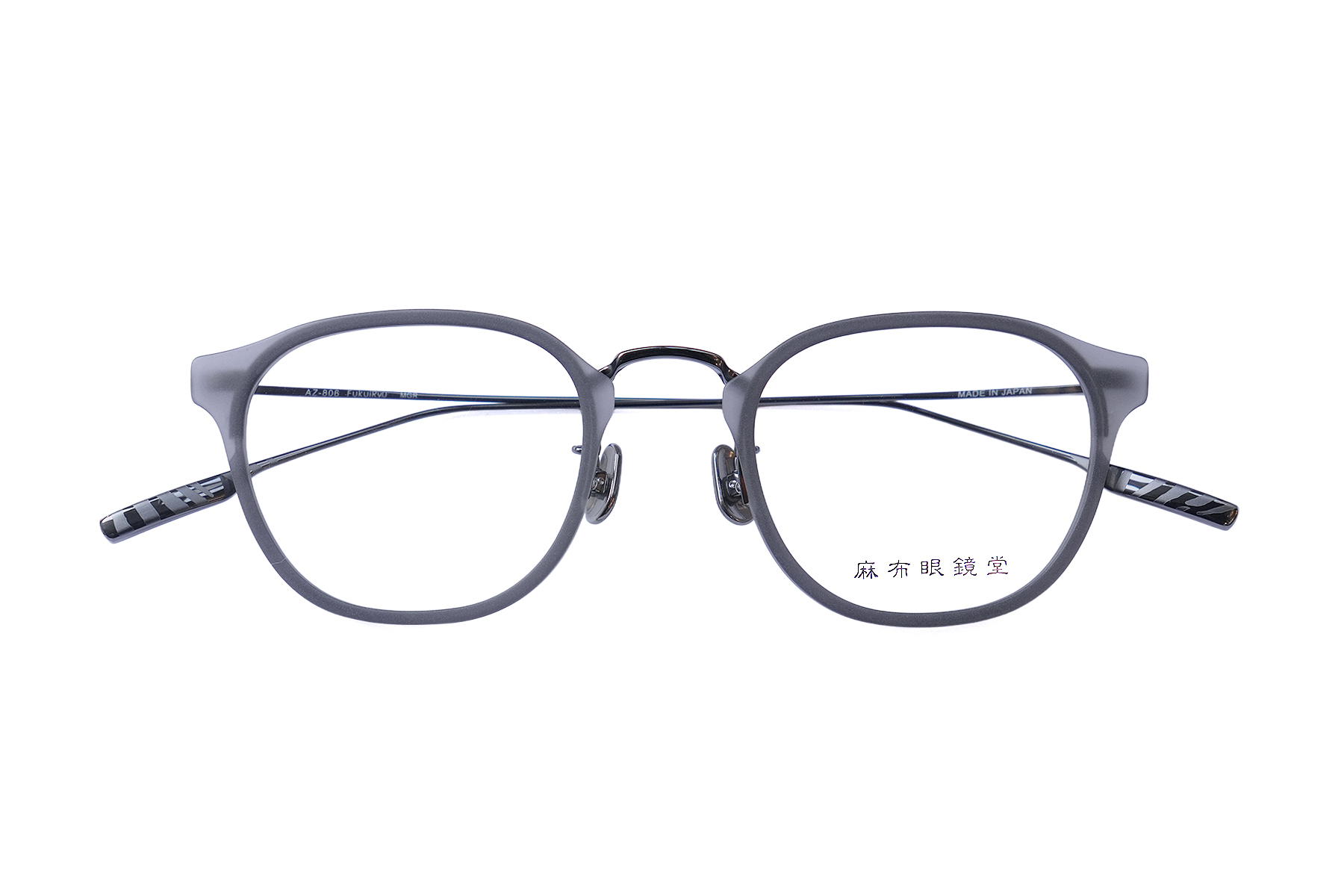
Fukui Prefecture is known both as the heart of Japanese eyewear craftsmanship and as a land rich in dinosaur fossils. This model is inspired by Fukuisaurus, a real dinosaur discovered in the region.
Subtle textures on the temple tips evoke dinosaur skin, while the nose pads feature a pattern inspired by geological layers. The front combines acetate and metal, with a nylon lower rim and ultra-thin acetate edges to create a light, refined look. A frame that reflects the history, craftsmanship, and nature of Fukui.
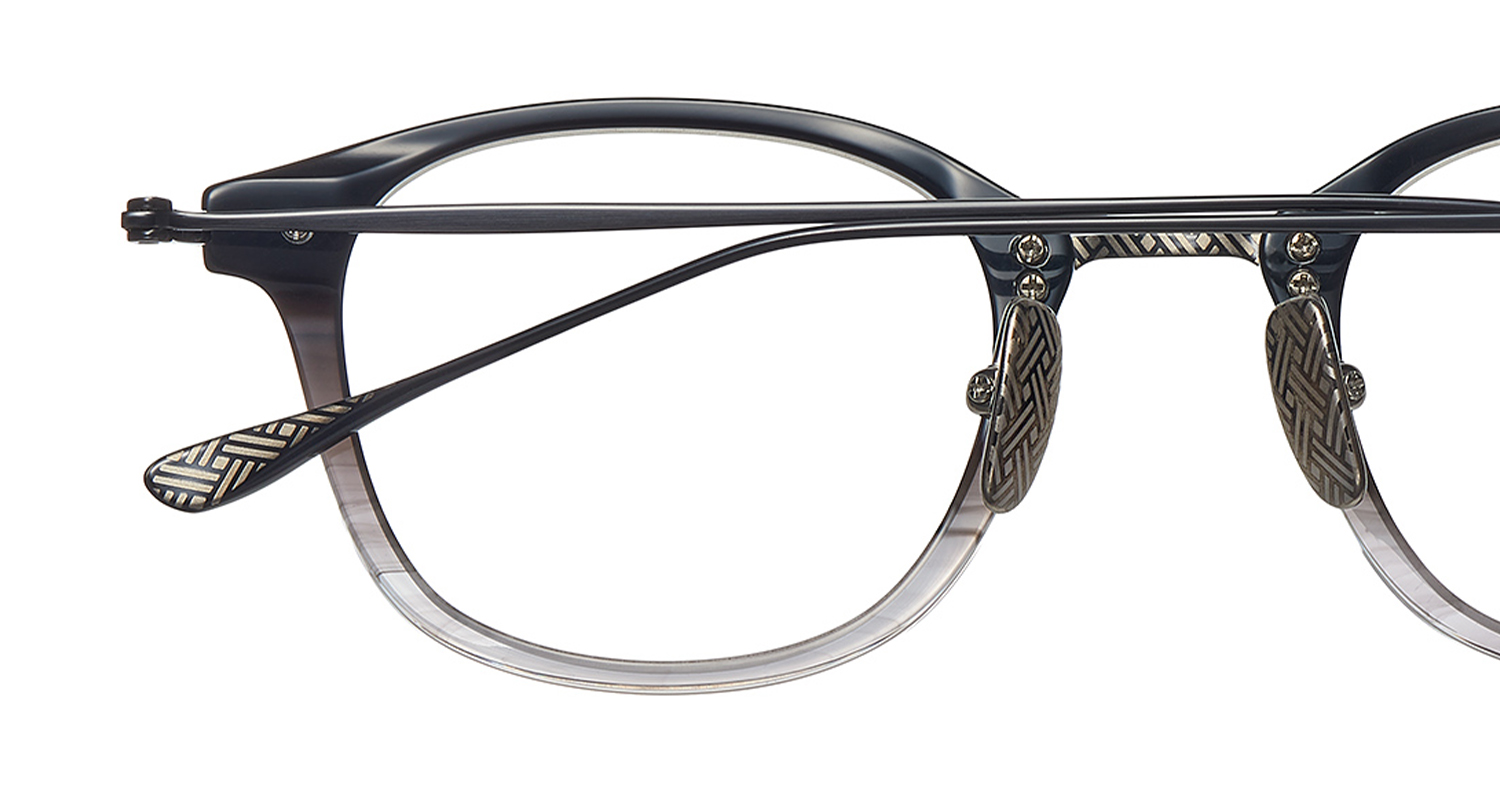
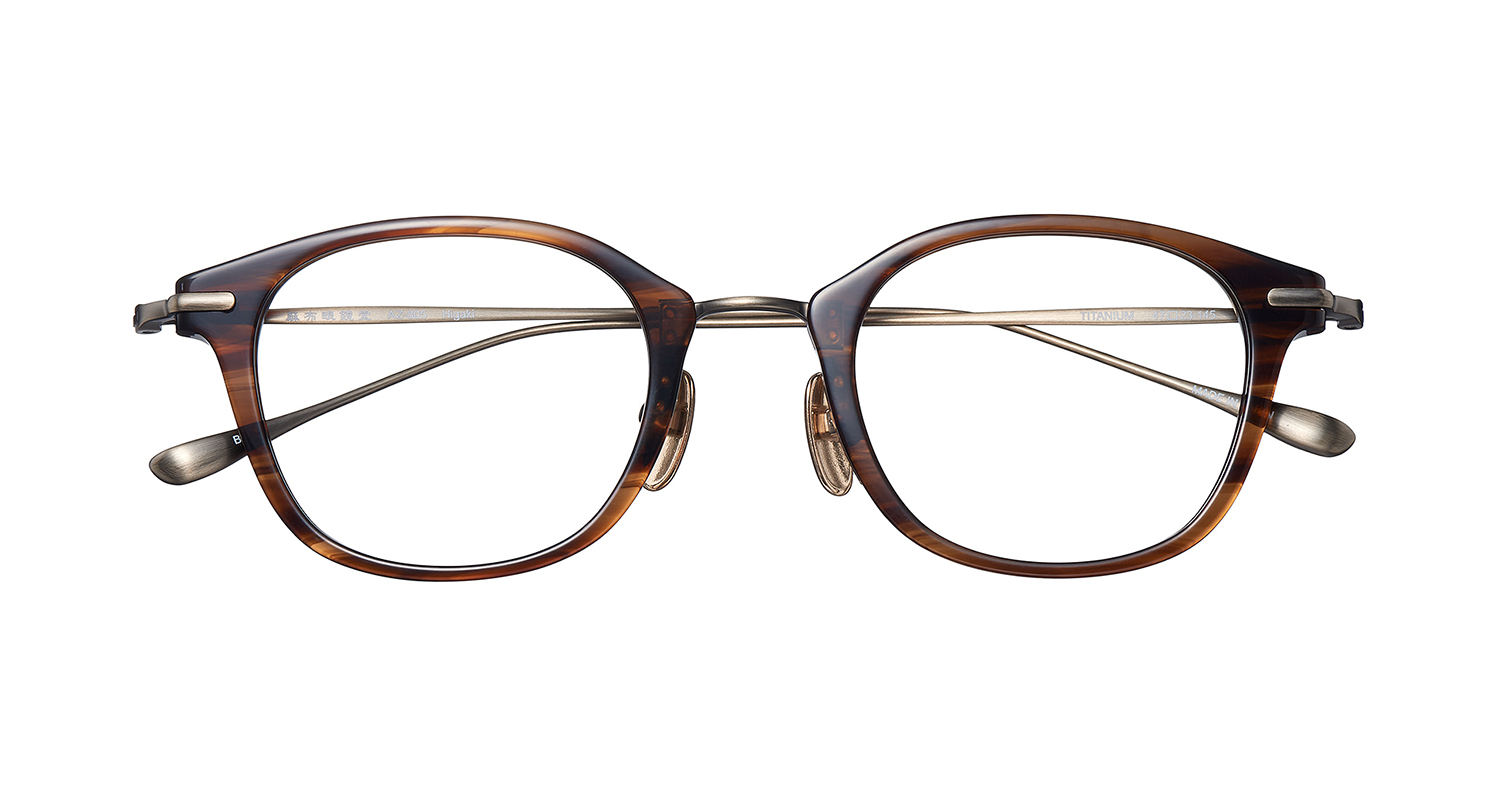
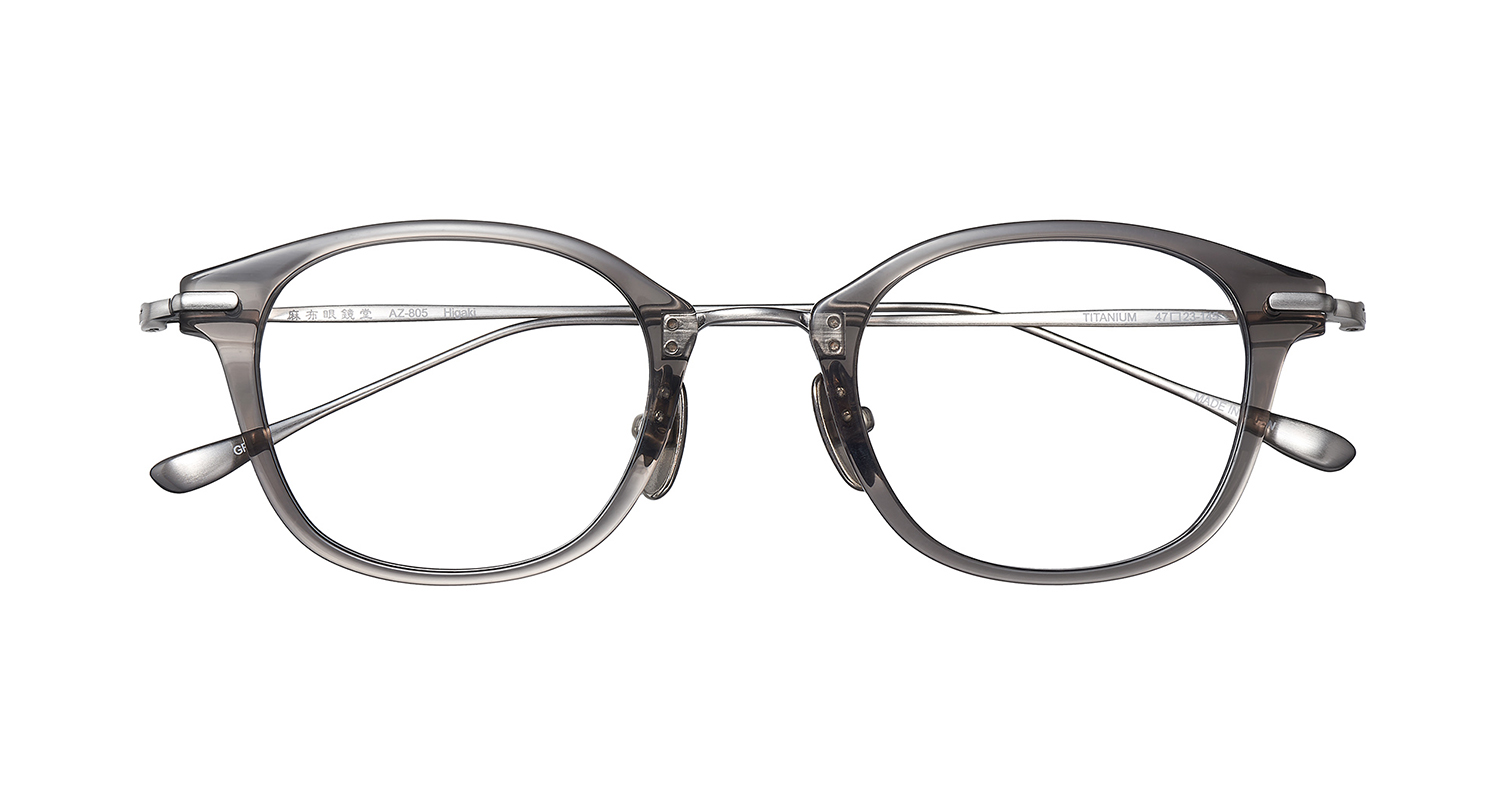
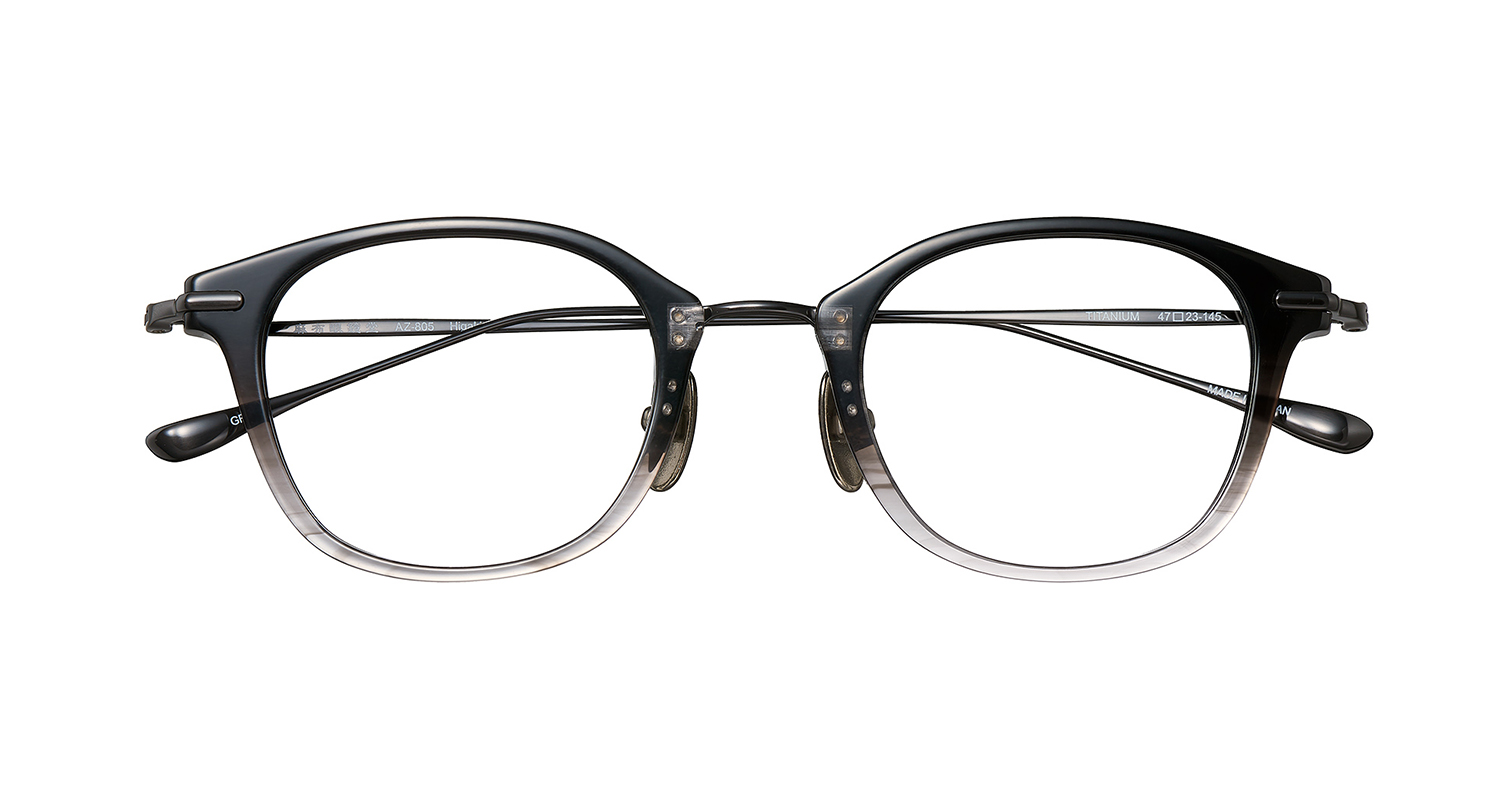
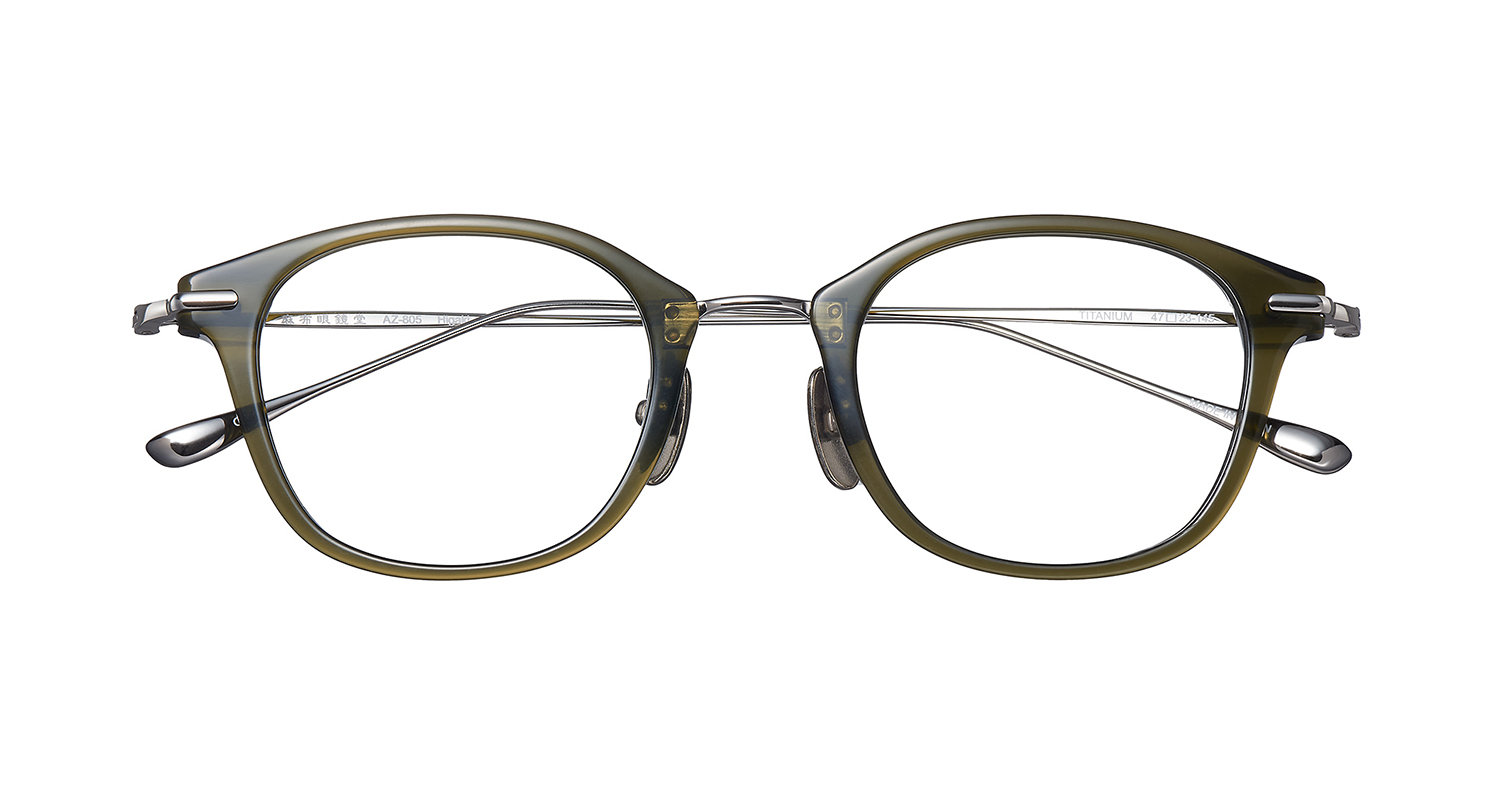
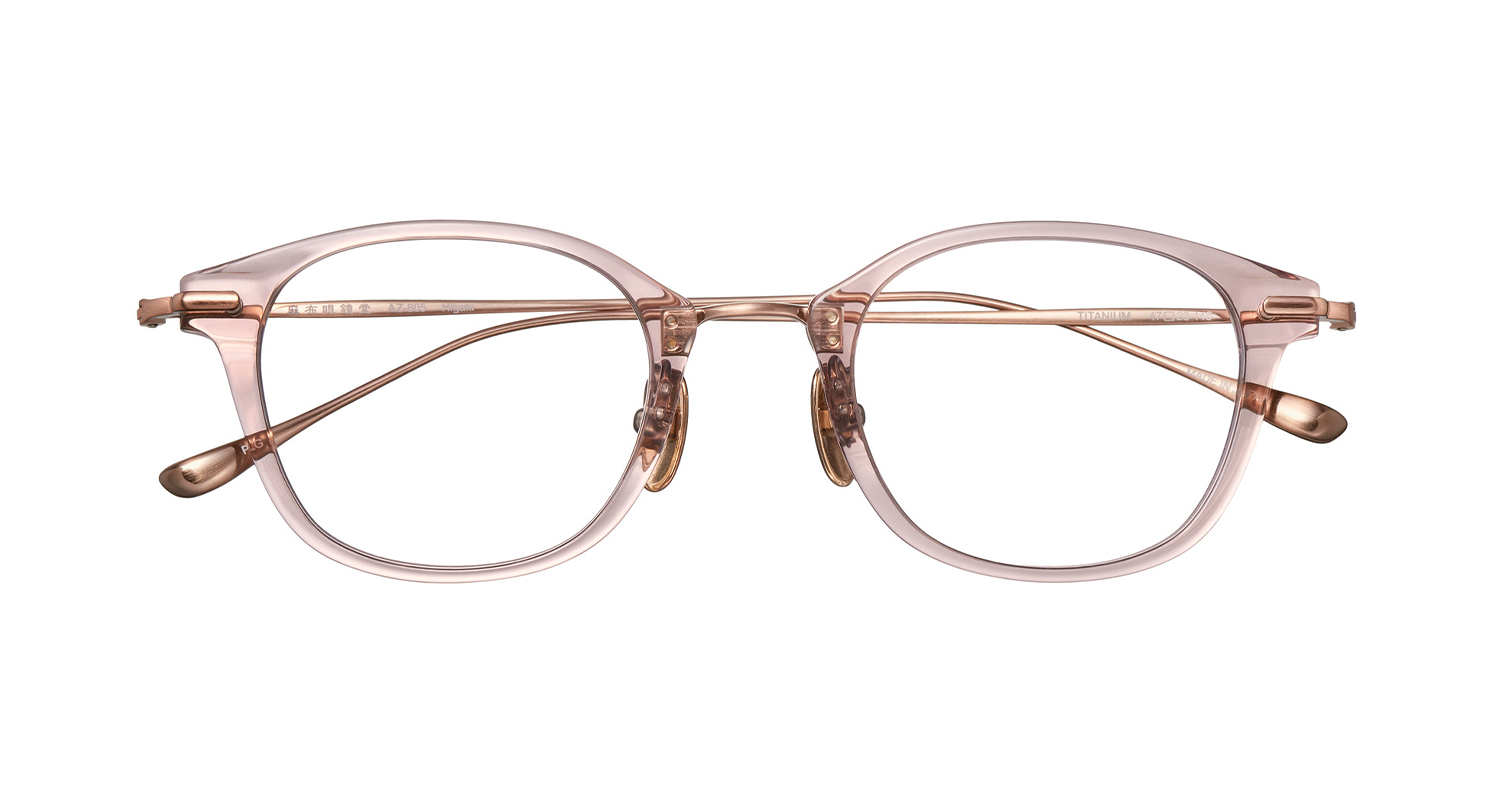
Higaki is a pattern inspired by a woven fence
made from cypress planks and is one of the traditional designs of
Edo komon. During the Edo period, when luxury bans were frequently
imposed, it became fashionable to keep the visible outer fabric
simple while adding playful colors and patterns to hidden areas.
We have carried on this idea of hidden elegance by applying the
higaki pattern with a laser on the underside of the nose pads and
bridge.
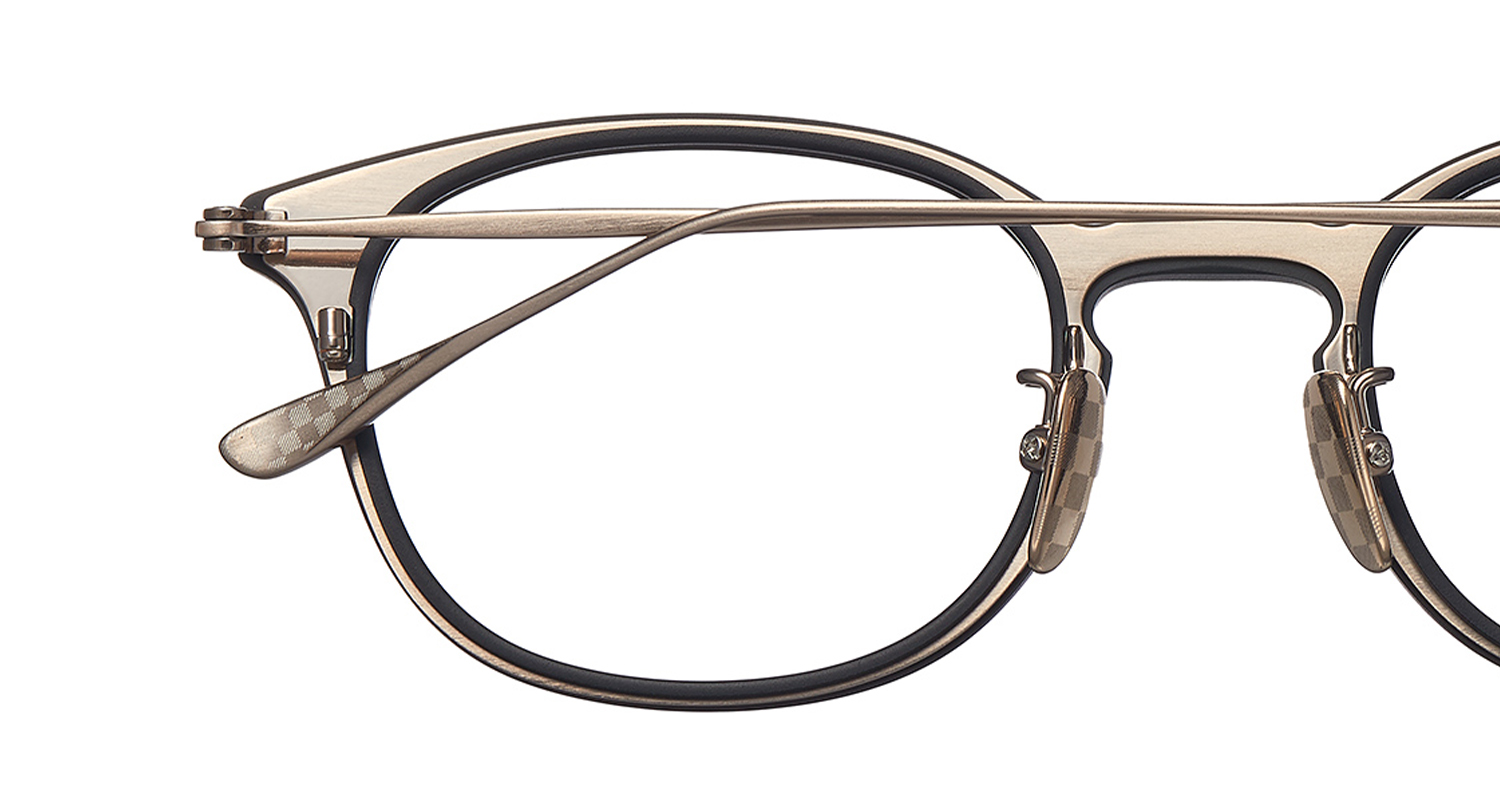
This model features an innovative double
structure of β-titanium sheet metal and high-density acetate. As a
tribute to the 2020 Tokyo Olympics symbol, it incorporates the
traditional Japanese checkered pattern, "ichimatsu," a design
symbolizing eternity, growth, and prosperity.
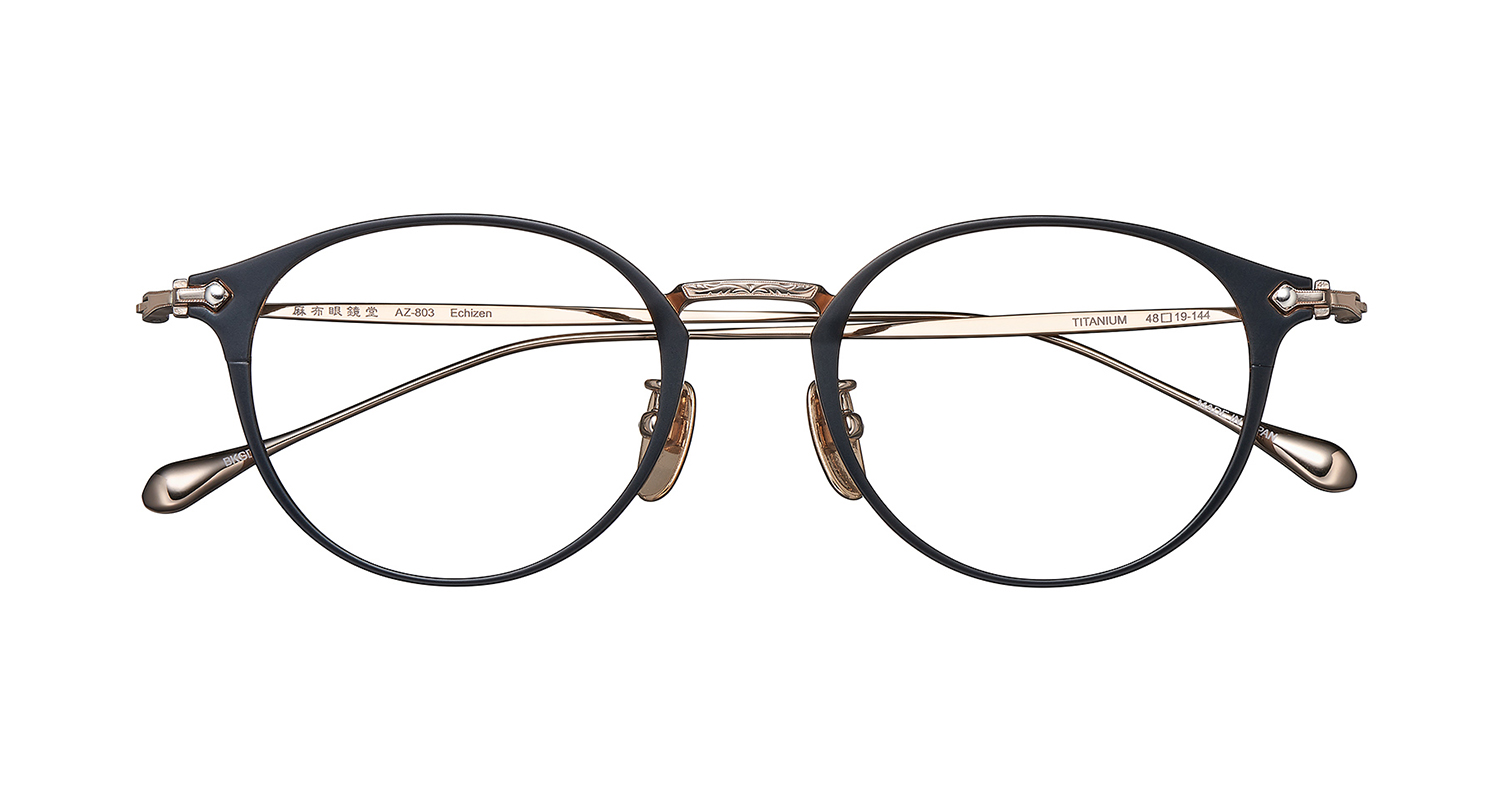
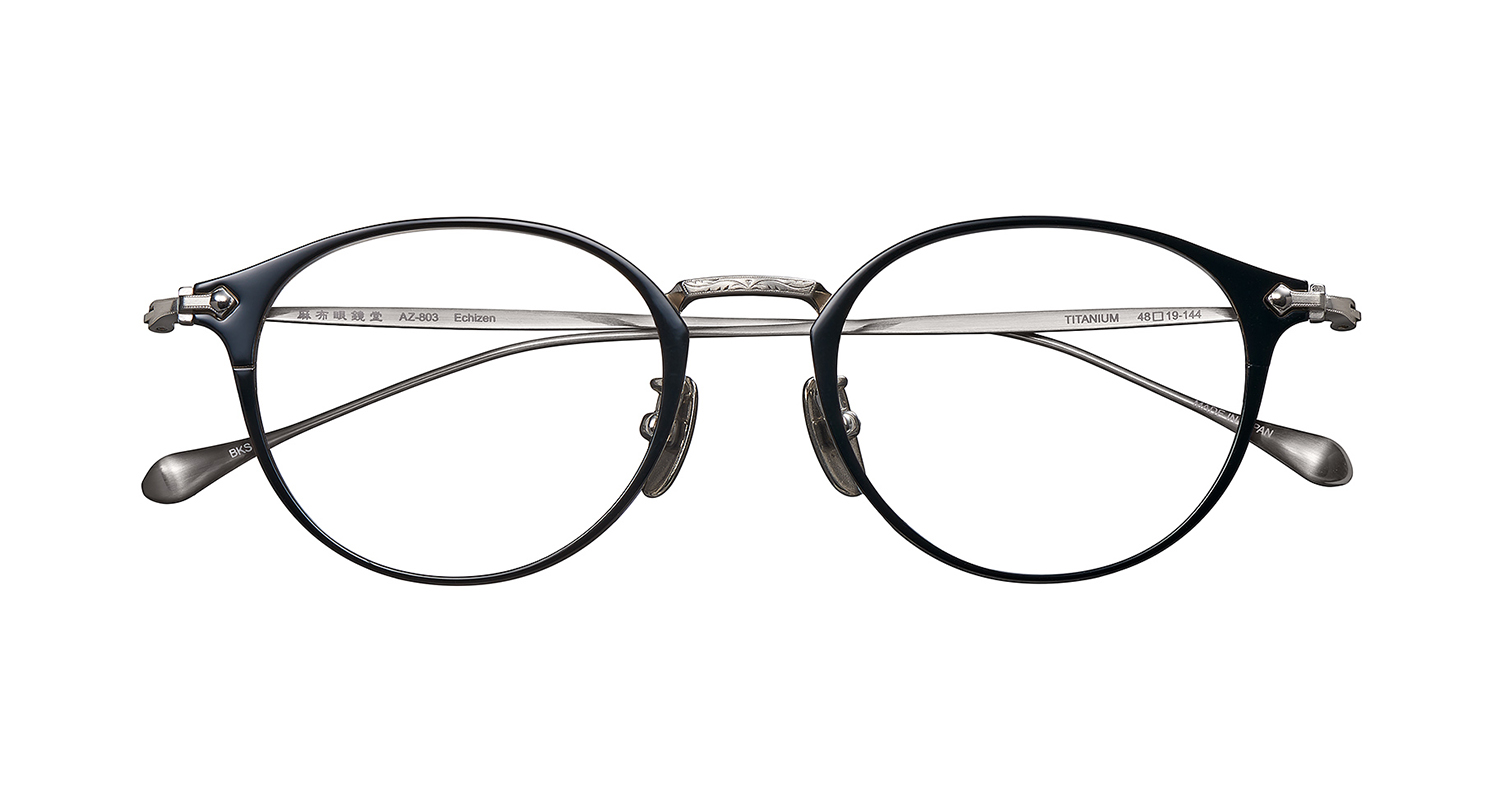
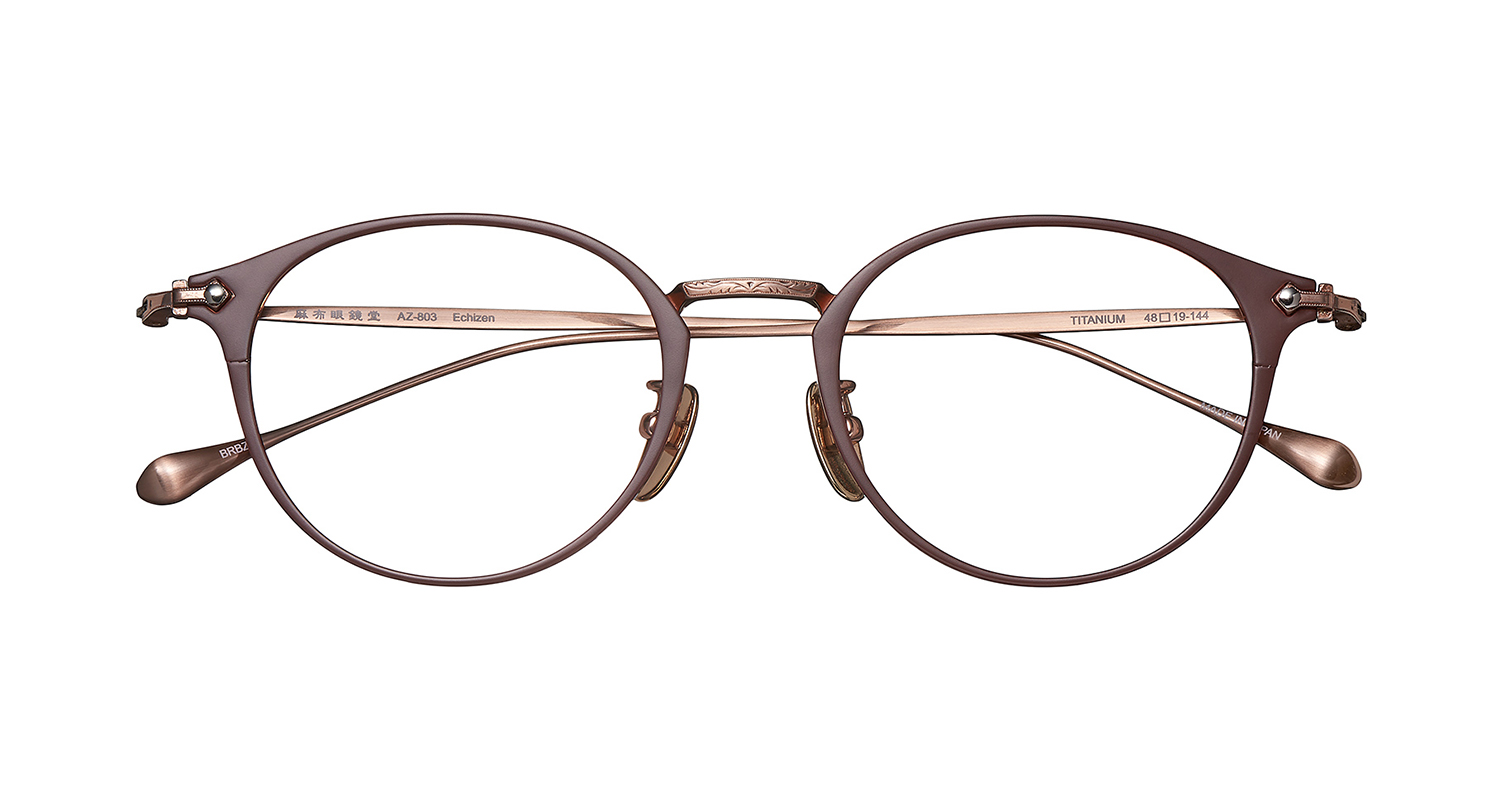
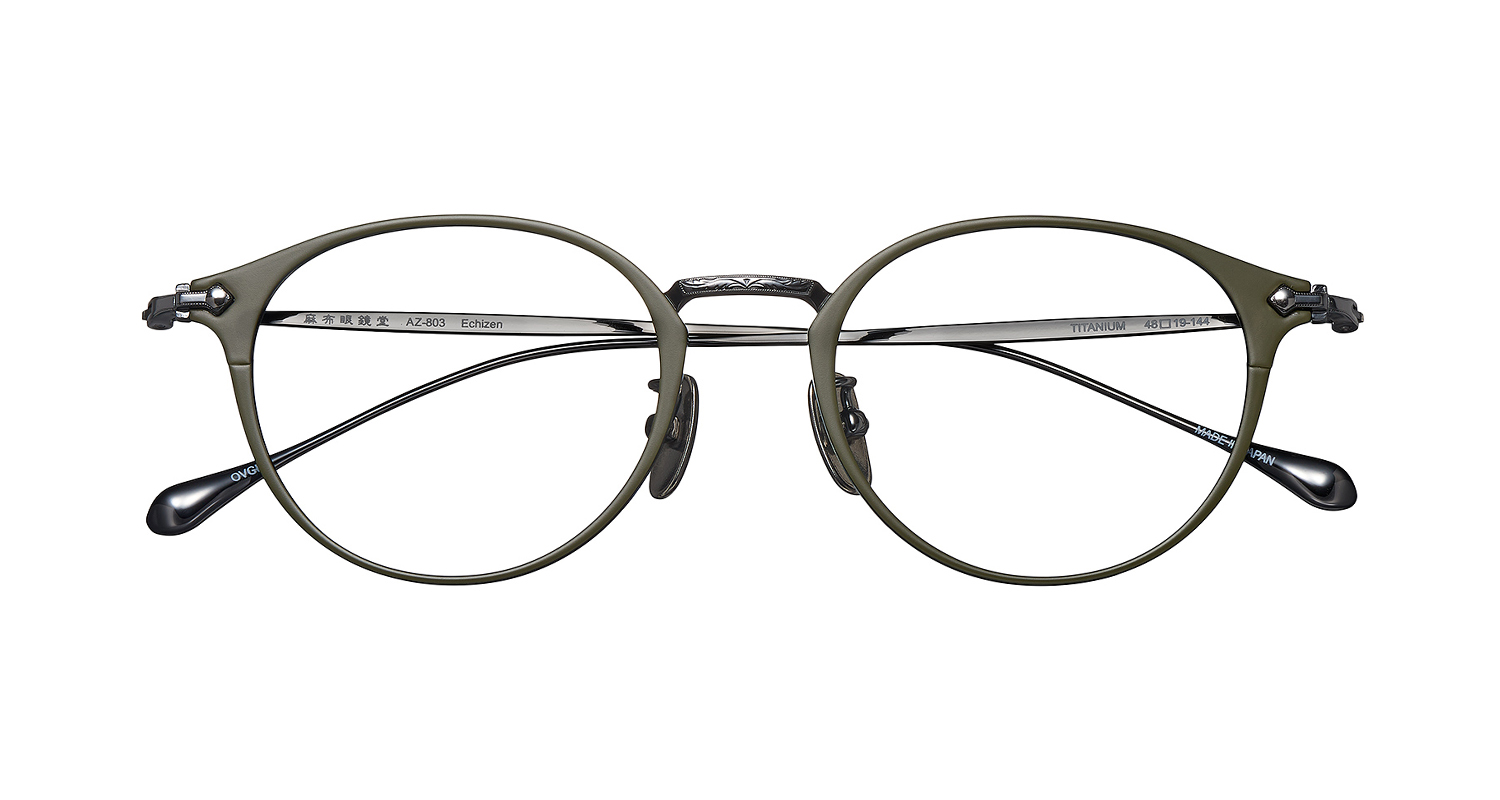
Echizen washi is traditional Japanese paper made in Echizen City,
Fukui Prefecture. It is said to have already been produced in the
4th to 5th centuries when paper was first introduced to Japan.
Today, it remains the top washi-producing region in Japan. This
model, including the BKBR color that replicates the details of
Echizen washi, was created with a deep appreciation for Echizen,
home to both the glasses and washi industries.
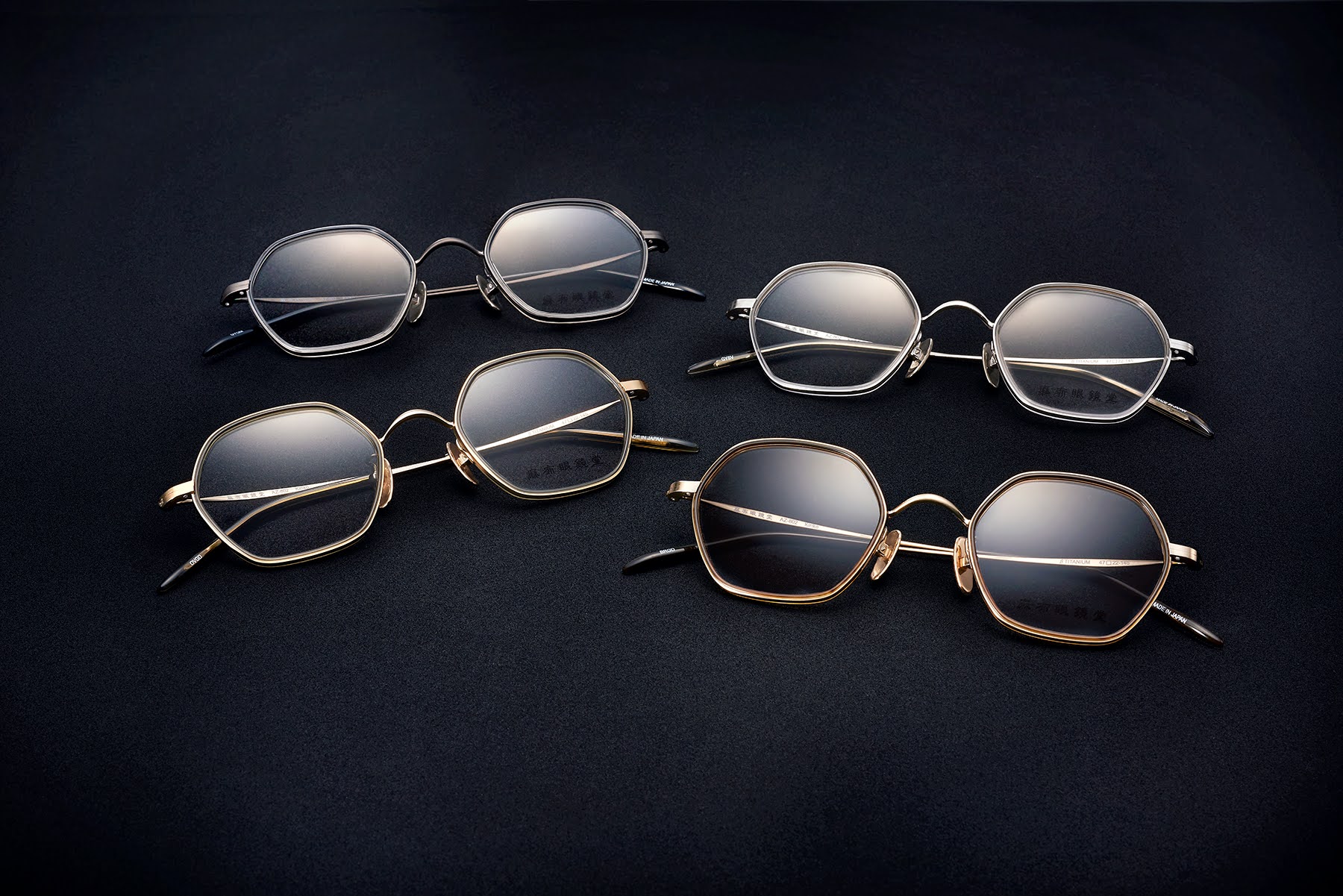
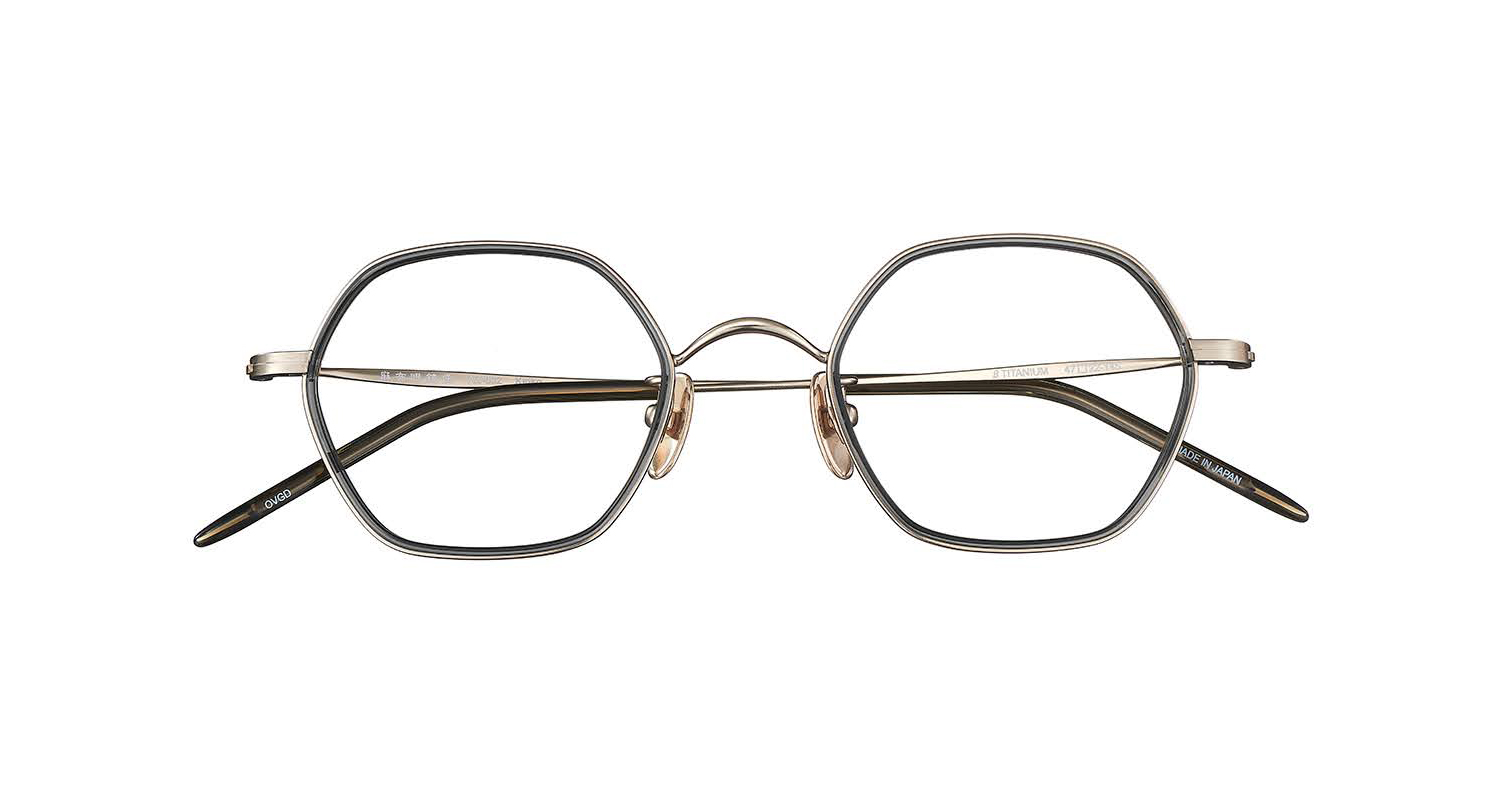
"(Edo)Kiriko" refers to traditional glassware craftsmanship that
has been produced since the late Edo period. This eyeglass frame
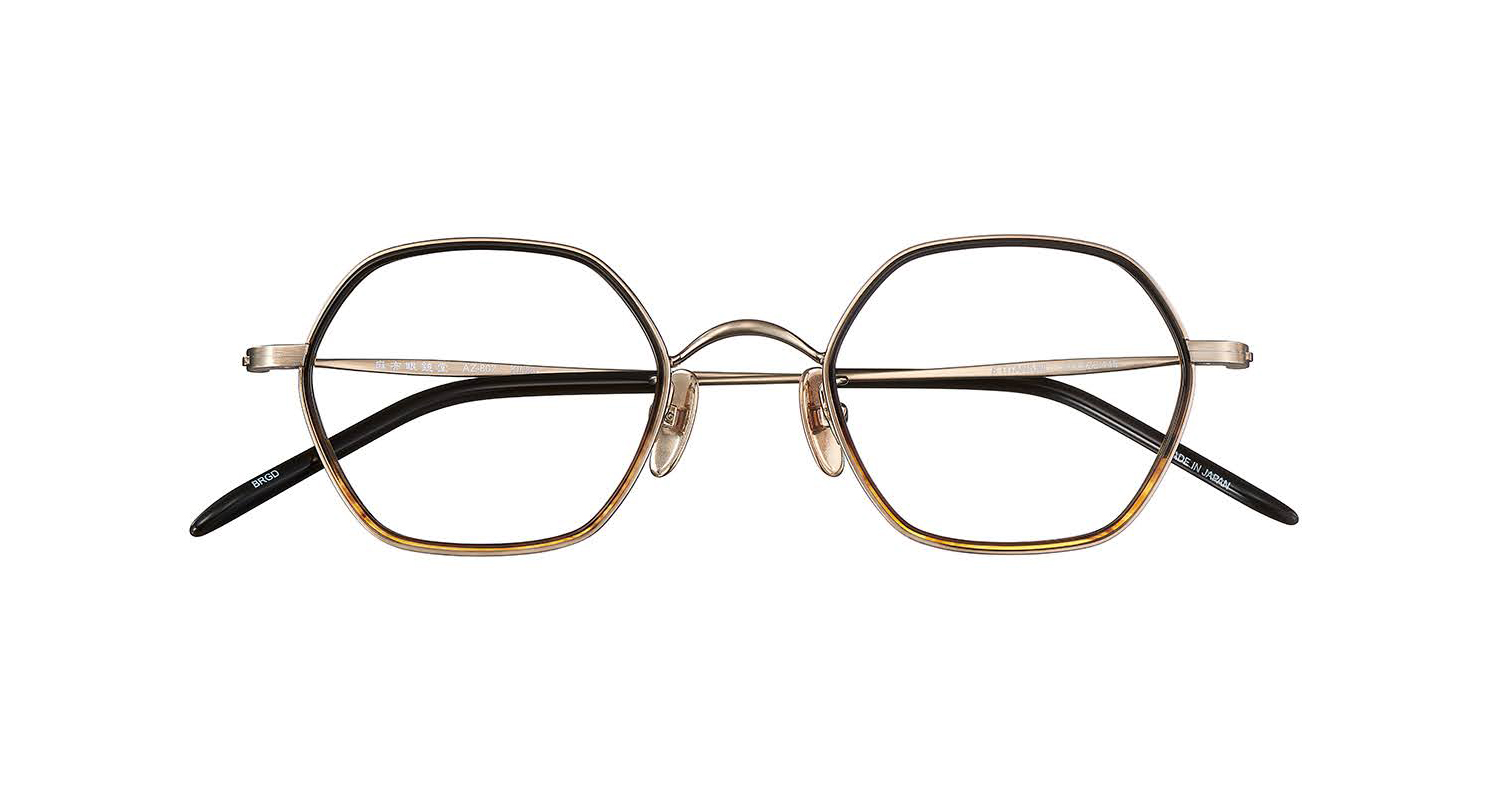
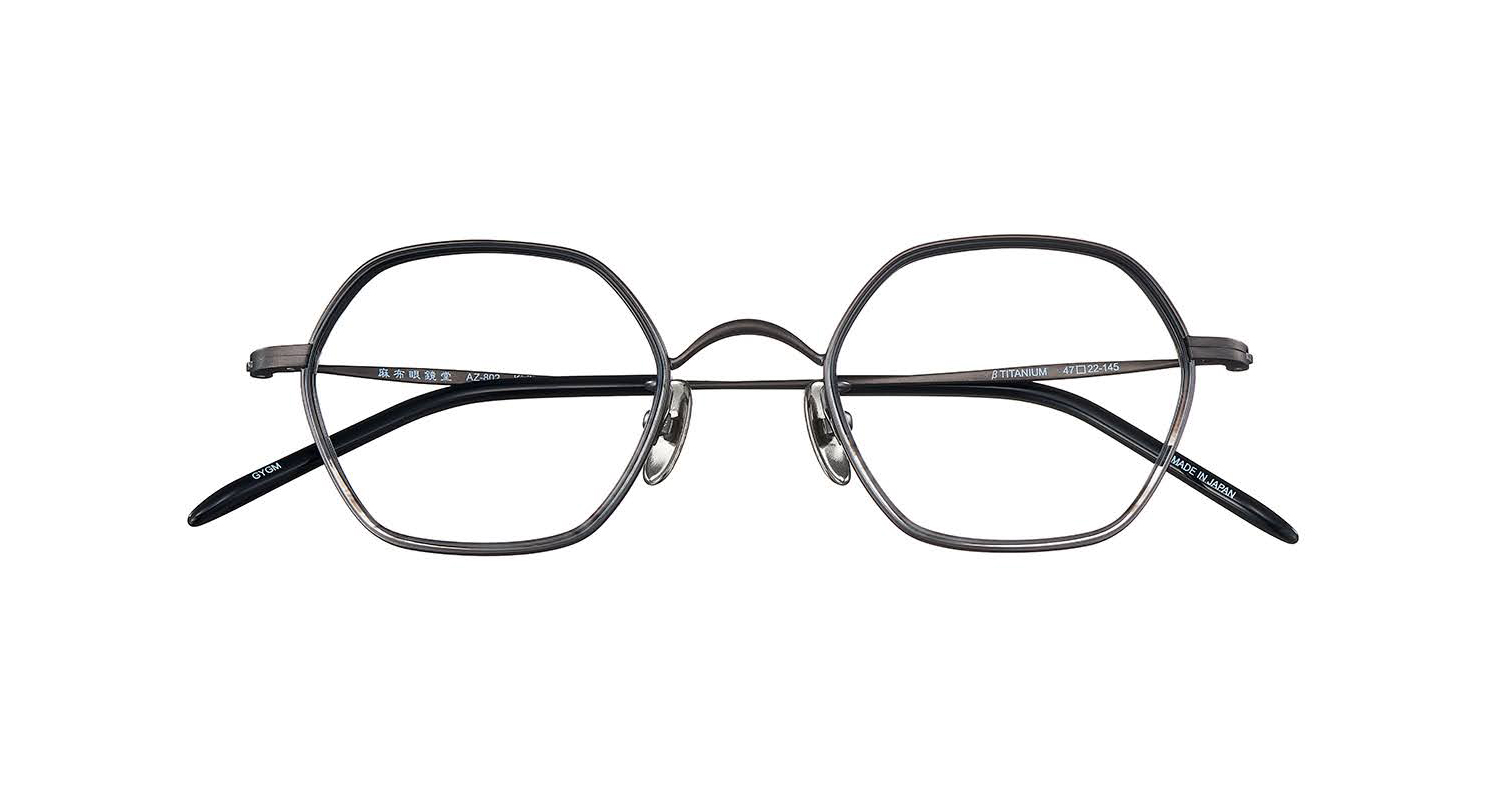
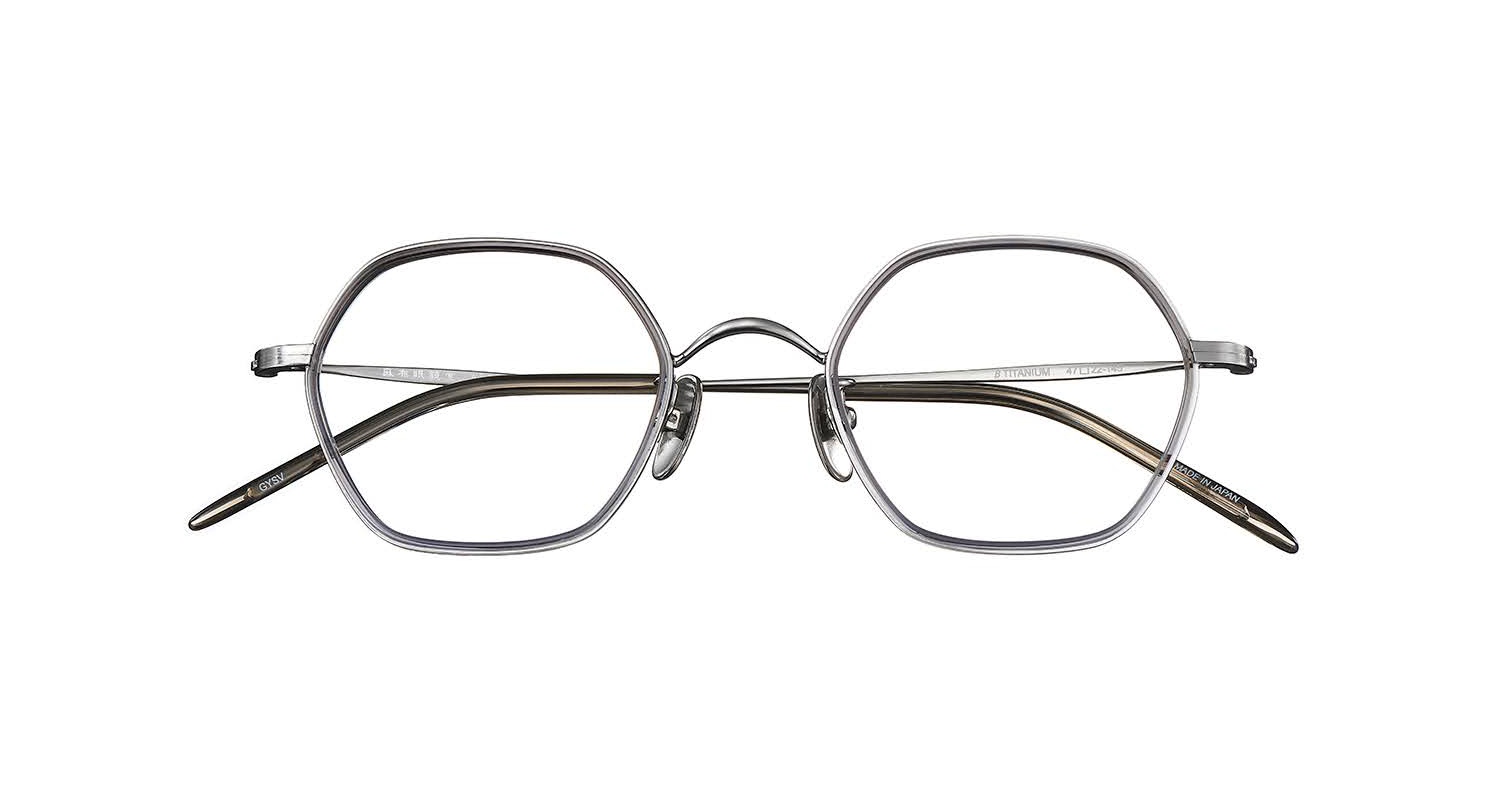
features one of the traditional Kiriko patterns, the "hexagonal
komon" motif. This pattern has long been associated with warding
off evil. The nose pads incorporate the "higaki" pattern, one of
the traditional patterns of the "Edo Komon" dyeing technique
passed down from the Edo period.
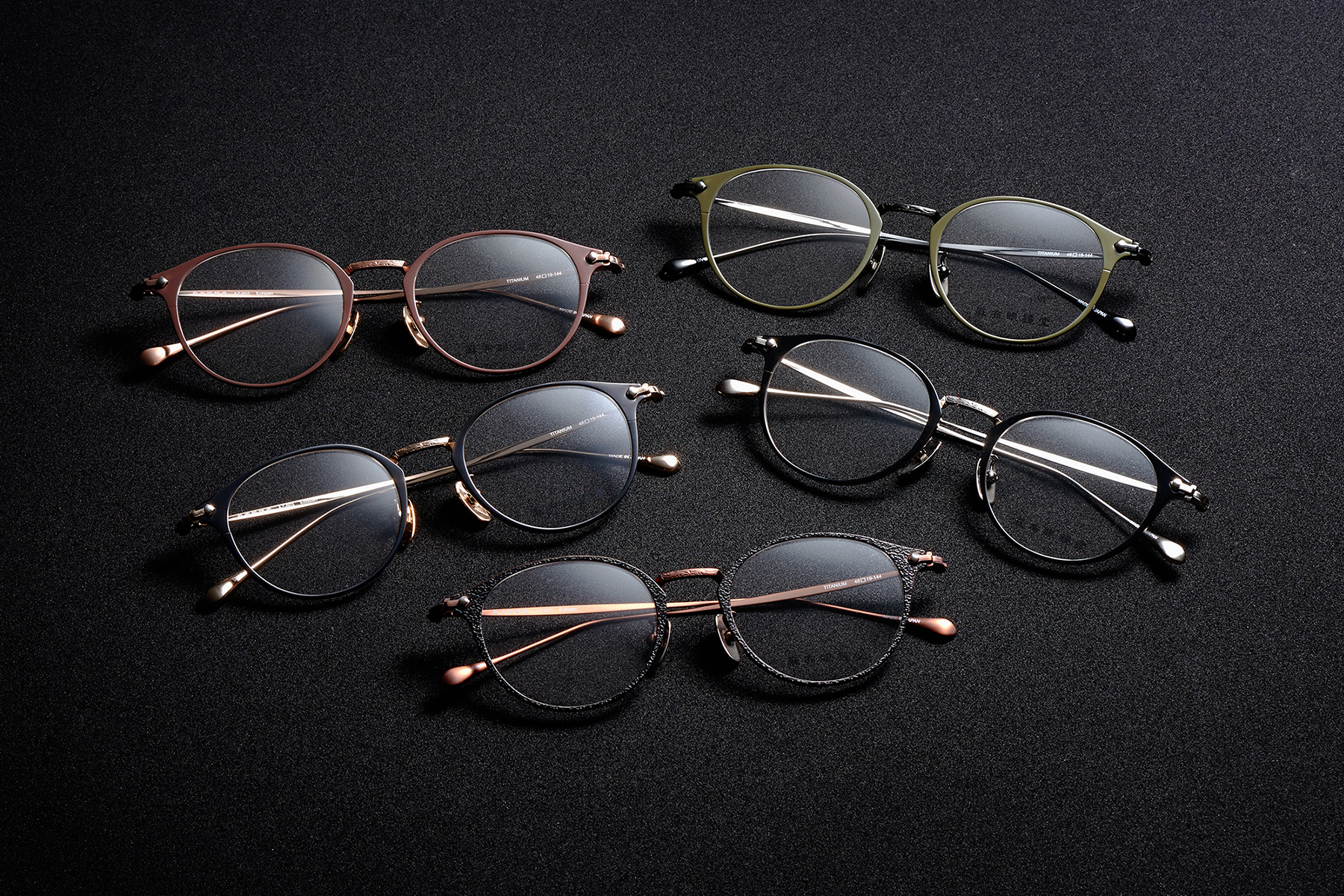
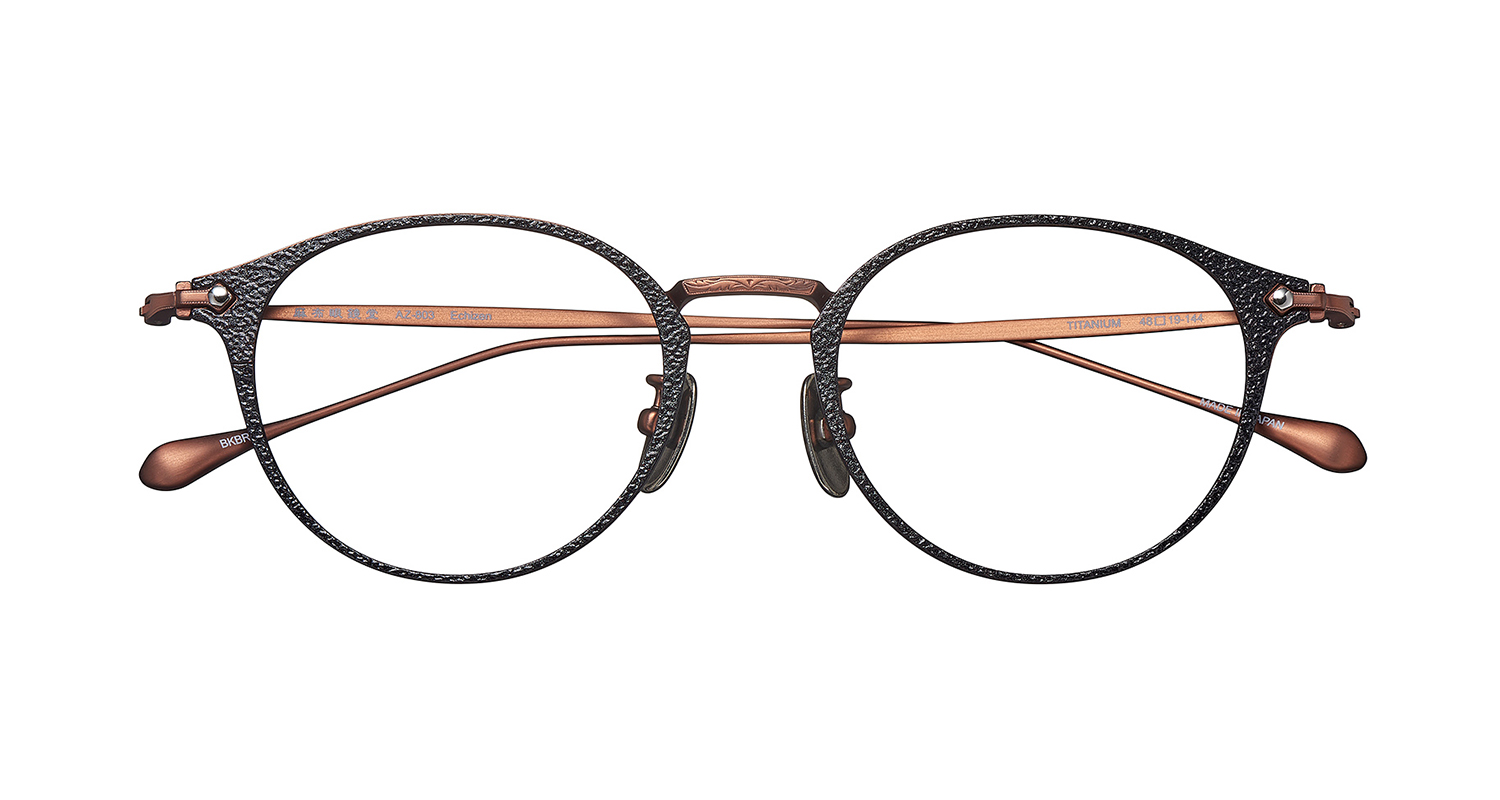
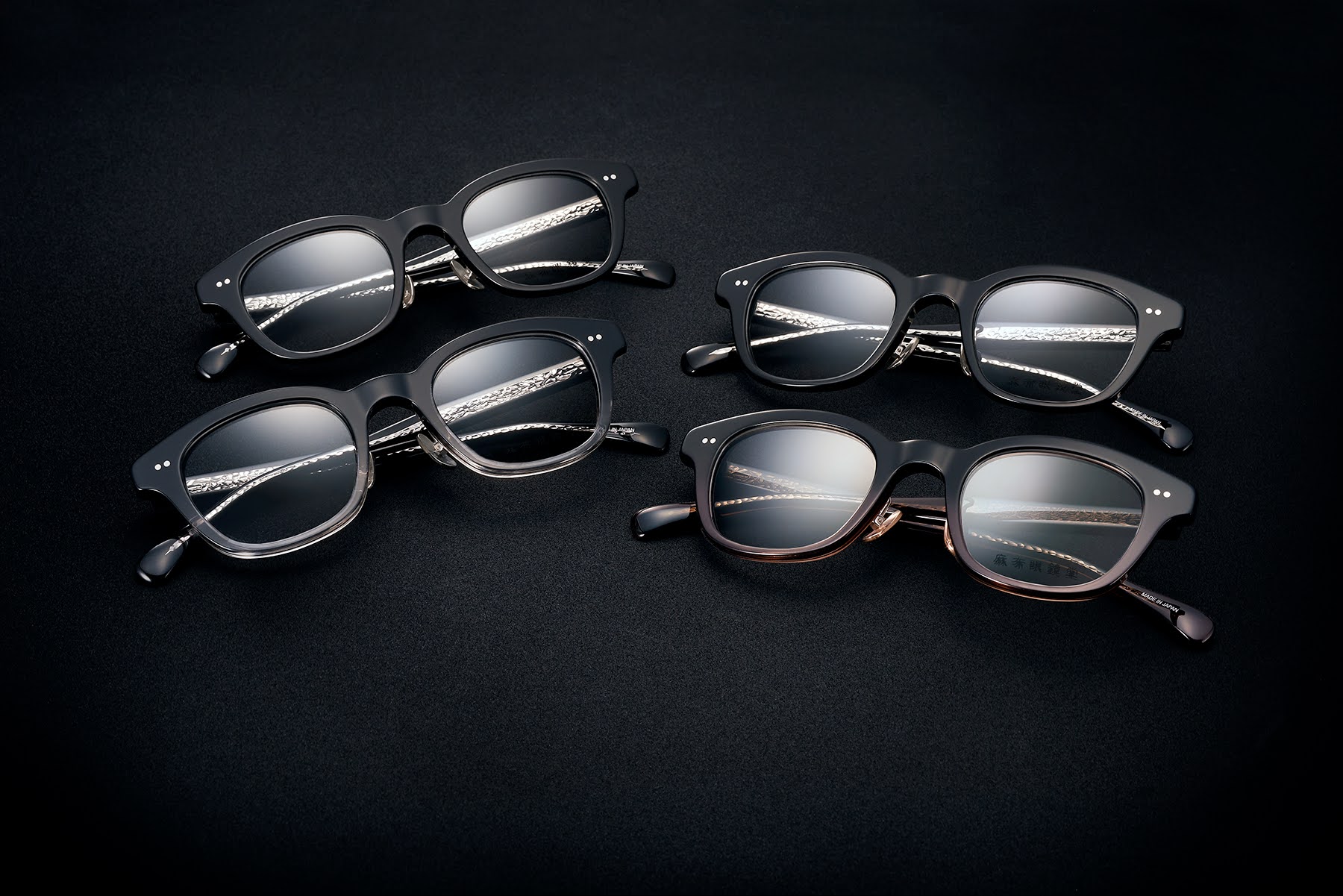
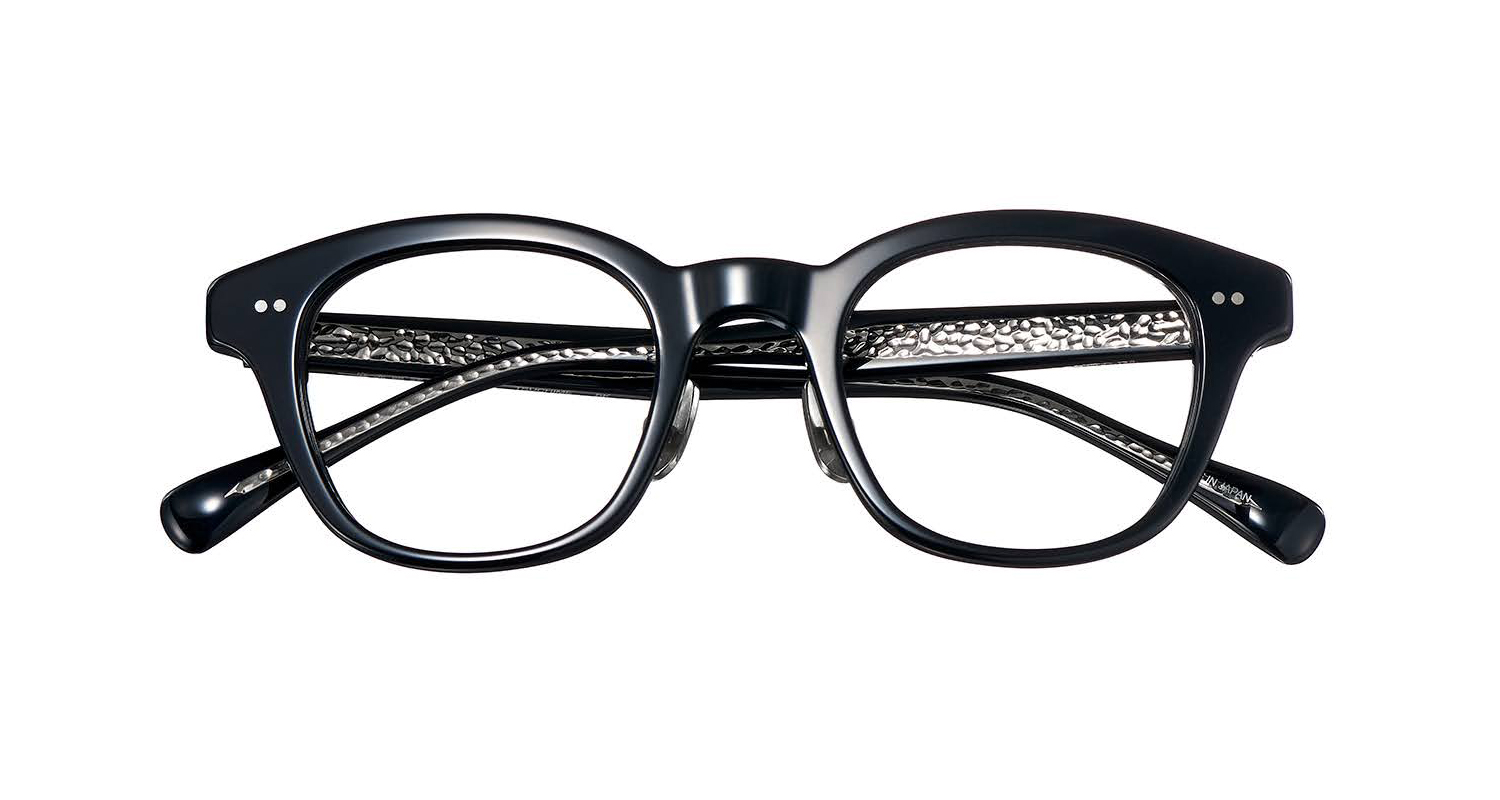
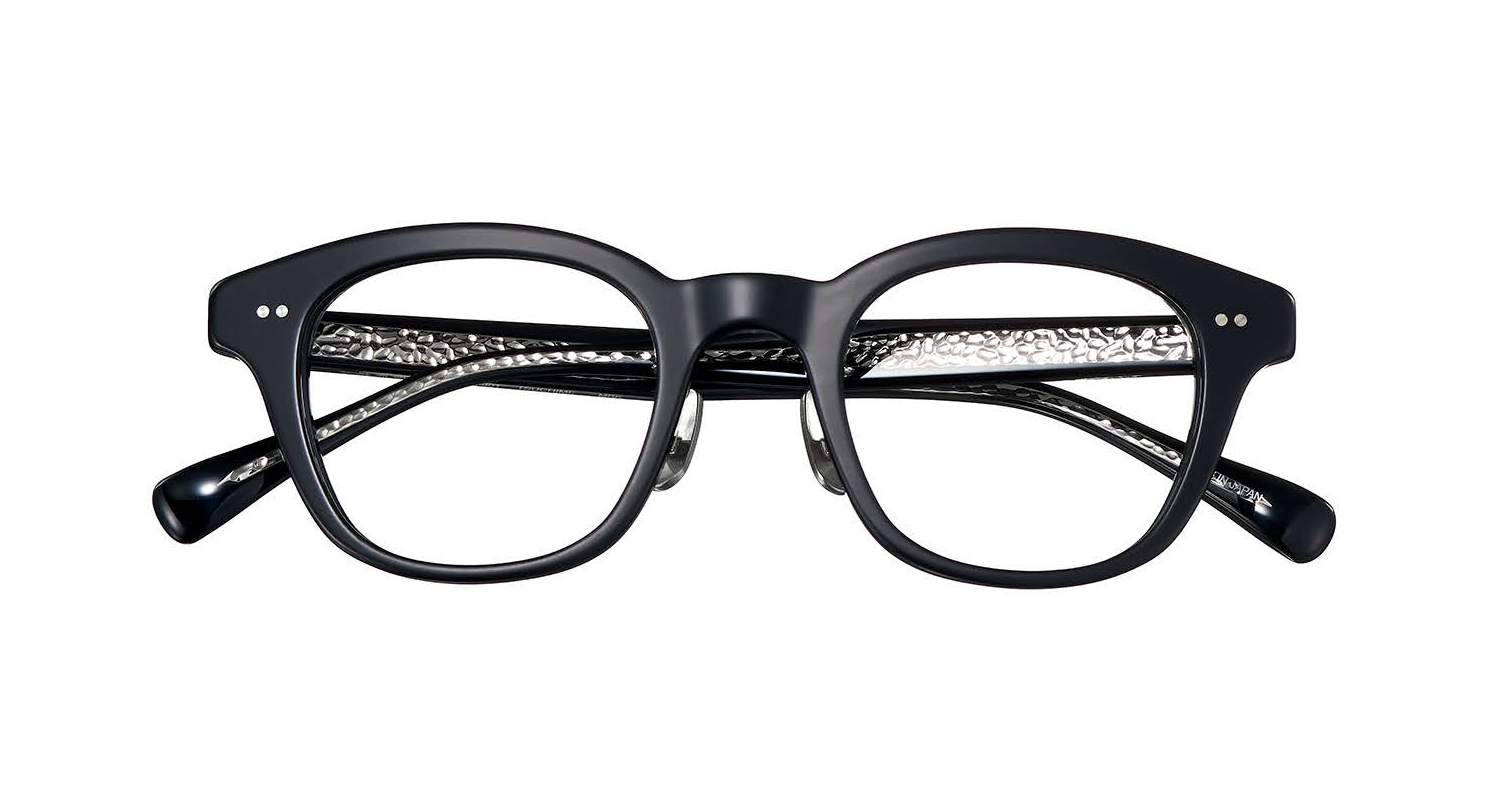
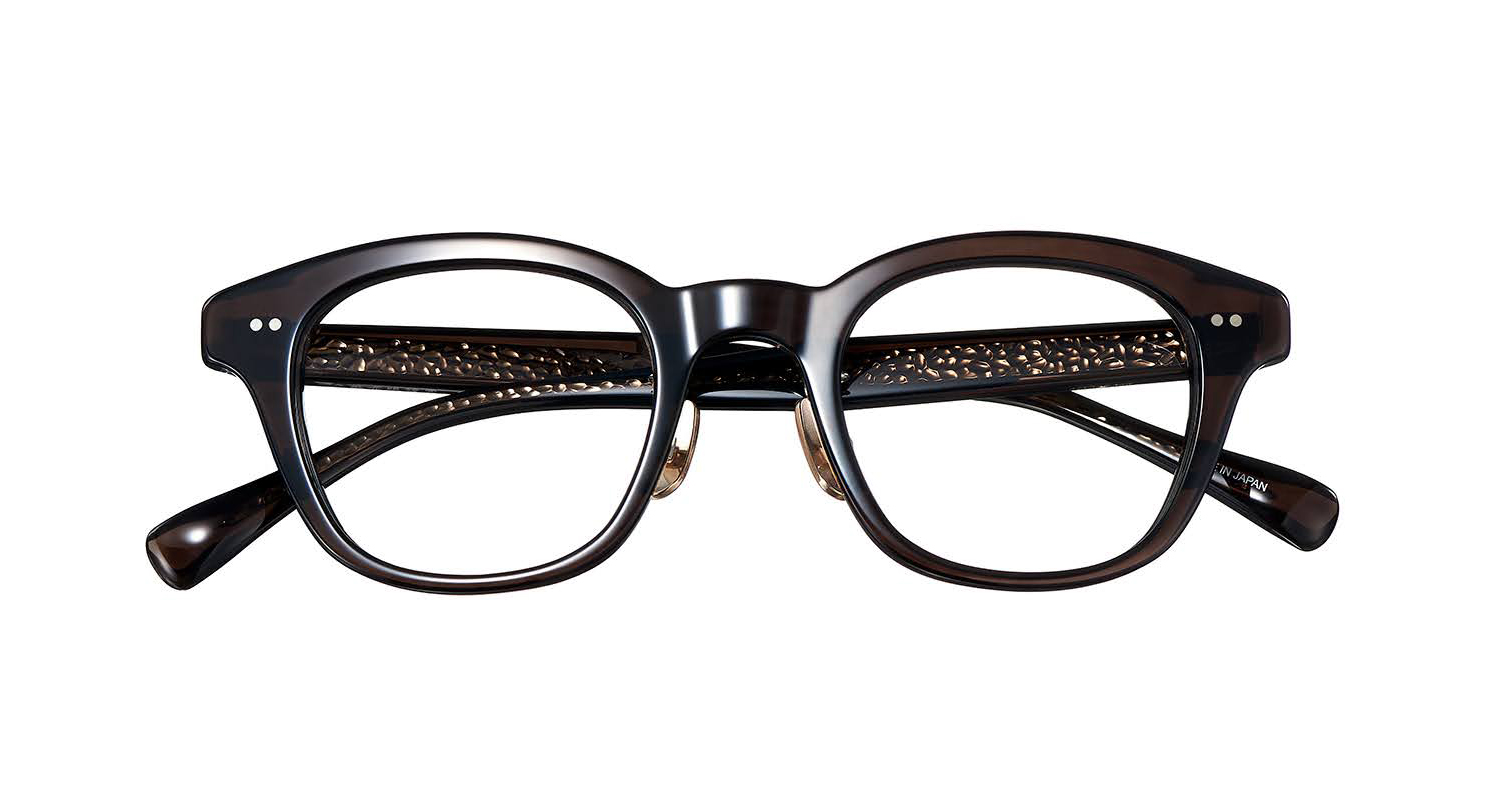
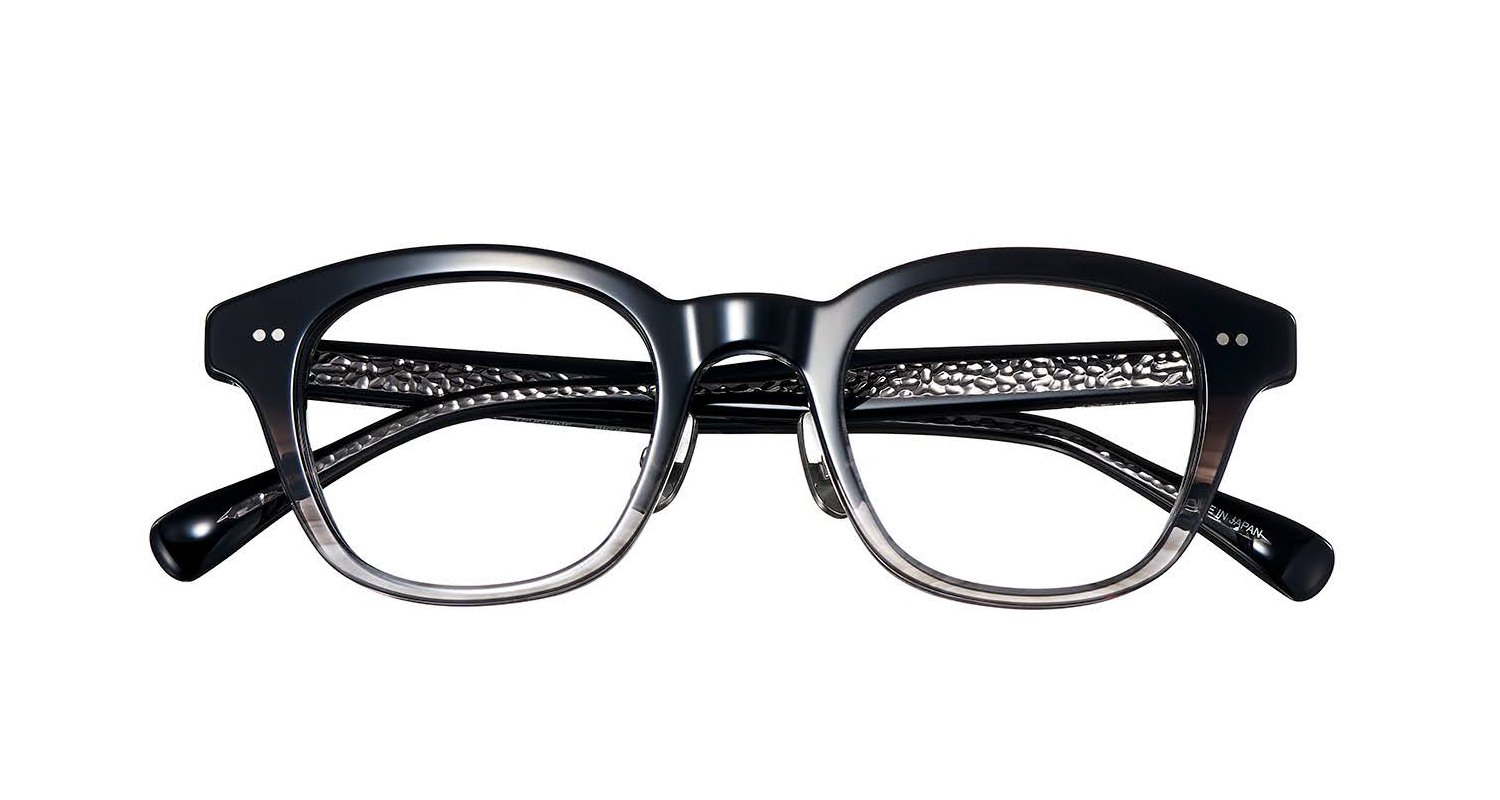
Tsuchime is a type of texturing that results from a traditional
Japanese metalworking technique, where craftsmen create scale-like
patterns with a hammer. Artisans in Sabae, a region renowned for
its eyewear industry, have skillfully enclosed these intricate
designs within the arms of the eyeglasses. The titanium pads are
adorned with a shark pattern from "Edo Komon".